


What does fluid and sodium retention during the menstrual period mean?

Water and sodium retention during the menstrual period refers to a physiological condition in which hormonal fluctuations within the menstrual cycle cause the kidneys to reduce excretion of water and sodium, leading to accumulation of excess fluid and sodium in the body, resulting in symptoms such as edema. If swelling is severe, accompanied by significant pain or menstrual irregularities, medical attention is recommended.
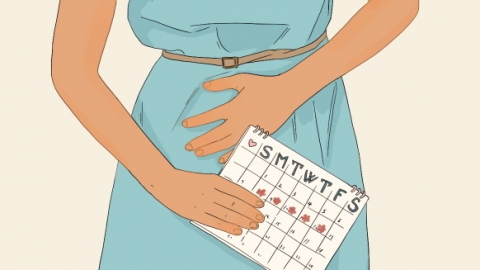
Prior to menstruation, rising estrogen levels increase the reabsorption of water and sodium in the kidneys, reducing urine production and preventing the normal elimination of excess fluid, which gradually accumulates in tissue spaces. At the same time, fluctuations in progesterone levels can affect vascular permeability, exacerbating fluid retention.
This retention commonly manifests as mild swelling in the eyelids, face, hands, and feet. Some individuals may experience slight weight gain, breast tenderness, or bloating. Typically, once menstruation begins, as hormone levels return to normal and kidney function improves, symptoms such as edema gradually subside and generally do not pose serious health risks.
During menstruation, it is advisable to reduce salt intake and avoid pickled foods and preserved products; drink plenty of warm water to promote metabolism; wear loose-fitting clothing to minimize physical constriction; and engage in light physical activities such as walking to improve blood circulation and alleviate discomfort caused by water and sodium retention.


