


Is a mixed echogenicity in the left ovary serious?
Nov 11, 2025
Source: Cainiu Health

Dr. Zhang Lu
Introduction
In general, the severity of mixed echogenicity in the left ovary should be determined based on the specific underlying cause. If discomfort or symptoms occur, it is recommended to seek timely medical evaluation and treatment at a正规 hospital. After detecting mixed echogenicity in the left ovary, further examinations should be carried out as advised by a physician to clarify the cause; regular ultrasound follow-ups are needed to monitor changes in echogenicity; and excessive anxiety should be avoided to maintain a positive mental state.
In general, the severity of mixed echogenicity in the left ovary depends on the specific underlying cause. If discomfort or symptoms occur, it is recommended to seek timely medical evaluation and treatment at a正规 hospital. Detailed analysis is as follows:
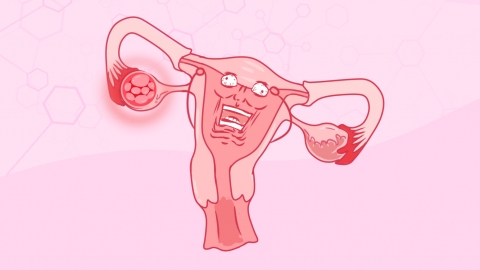
Mixed echogenicity in the left ovary caused by benign factors is usually not serious. For example, ovarian corpus luteum cysts often result from the formation of the corpus luteum after ovulation and typically appear as mixed echogenicity on ultrasound; these may resolve spontaneously with the menstrual cycle. Ovarian dermoid cysts (teratomas), although mostly benign, may contain components such as fat and hair, which can also present as mixed echogenicity. With appropriate treatment, the prognosis is generally good and they do not significantly affect health.
If the mixed echogenicity is due to malignant or potentially malignant conditions, the situation is relatively serious. Some early-stage ovarian malignancies may initially present as mixed echogenicity. Without timely detection and intervention, they may invade surrounding tissues or metastasize, impairing bodily functions. Additionally, certain borderline tumors, although low-grade in malignancy, still carry the potential to progress to malignancy and require close monitoring and active management.
After detecting mixed echogenicity in the left ovary, further examinations should be conducted as advised by a physician to determine the exact cause; regular follow-up ultrasounds are necessary to monitor changes in echogenicity; excessive anxiety should be avoided, and a positive mindset maintained while cooperating with the doctor to establish an appropriate treatment or surveillance plan. Immediate medical attention should be sought if symptoms such as abdominal pain or abnormal bleeding occur.



