


Is it good for the fetus to eat taro during early pregnancy?

In general, whether eating taro at the beginning of pregnancy is beneficial to the fetus depends on the pregnant woman's physical condition and the amount consumed. The specific analysis is as follows:
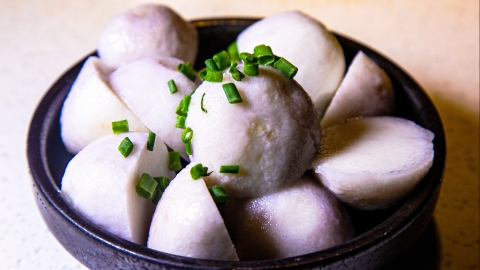
If the pregnant woman is in good health, without blood sugar abnormalities or taro allergy, moderate consumption of taro can be beneficial to the fetus. Taro is rich in carbohydrates, dietary fiber, B vitamins, potassium, and other nutrients, which can provide energy for pregnant women and help maintain normal metabolism. These nutrients can also pass through the placenta to the fetus, supporting the development of the fetal nervous system and organs. Additionally, dietary fiber helps relieve common pregnancy-related constipation.
However, if the pregnant woman has high blood sugar, diabetes, or an allergy to taro, or consumes excessive amounts, eating taro may be harmful to the fetus. Taro has a relatively high glycemic index; excessive intake by pregnant women with blood sugar issues may lead to blood glucose fluctuations, potentially affecting the fetal glucose environment. Pregnant women with allergic constitutions may experience allergic reactions such as rashes or diarrhea after consumption, indirectly impacting fetal health. Overconsumption may also increase gastrointestinal burden, causing discomfort like bloating.
Taro must be thoroughly cooked before consumption to avoid gastrointestinal irritation from raw components. Intake should be controlled—portions should not be too large—and taro should not replace staple foods excessively to prevent nutritional imbalance. If symptoms such as rash or abdominal pain occur after eating taro, consumption should be stopped immediately and medical advice sought.


