


Can you consume another person's breast milk?
Nov 11, 2025
Source: Cainiu Health

Dr. Zhang Lu
Introduction
In general, whether one can consume another person's breast milk should be determined based on the health status of the milk provider and the specific circumstances of the recipient. If there are any concerns or needs, it is recommended to consult a healthcare professional. As a routine precaution, always confirm the health status of the donor before consuming their breast milk, and conduct medical screening when necessary. Extra caution is required if the recipient is an infant or young child.
Generally speaking, whether one can consume another person's breast milk should be determined based on the health status of the donor and the specific condition of the recipient. If there are any concerns or needs, it is recommended to consult a professional doctor. The detailed analysis is as follows:
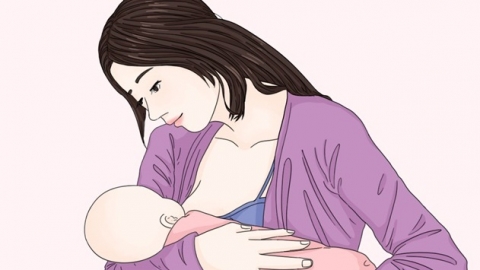
If the breast milk donor is in good health, free from infectious diseases, and has not recently taken any special medications, and if the recipient is an infant or young child, consumption may be considered after mutual communication and confirmation. Breast milk contains rich nutrients that can meet the growth requirements of infants and help strengthen their immunity. In such cases, consuming donated breast milk is relatively safe and can serve as a supplementary feeding method.
However, if the donor’s health status is unknown, or if they have infectious diseases, chronic illnesses, or have recently taken medications that might affect breast milk composition, and the recipient is an adult or has specific health conditions, consumption is not recommended. Breast milk from donors with uncertain health may carry pathogens, and medication components or diseases could negatively affect the recipient's health through the milk. Additionally, adults may have difficulty absorbing the nutrients in breast milk and could experience gastrointestinal discomfort.
In daily practice, it is important to confirm the donor’s health status before consuming their breast milk; health screenings should be conducted when necessary. If the recipient is an infant, monitor for any adverse reactions such as allergies or diarrhea after consumption. It is not advisable to obtain breast milk from unofficial or unregulated sources to avoid potential health risks. For any feeding-related concerns, seek scientific guidance from a qualified healthcare provider.




