


What diseases are women prone to develop under high stress?

Long-term high-pressure states can disrupt the balance of women's endocrine and immune systems, easily triggering various physical and mental health issues. Common conditions include mammary gland hyperplasia, thyroid dysfunction, menstrual disorders, migraines, and peptic ulcers. A detailed analysis is as follows:
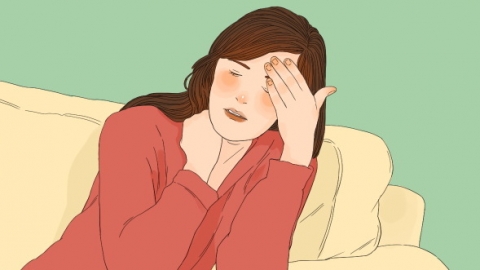
1. Mammary Gland Hyperplasia: Stress can cause hormonal imbalances, particularly in estrogen secretion, stimulating abnormal proliferation of breast tissue. Patients often experience breast tenderness, especially noticeable before menstruation. Some may feel soft nodules within the breasts, and pain tends to worsen with emotional fluctuations, affecting daily life and emotional well-being.
2. Thyroid Dysfunction: Stress affects thyroid function through the neuroendocrine system, potentially leading to hyperthyroidism or hypothyroidism. Hyperthyroidism manifests as palpitations, excessive sweating, and rapid weight loss; hypothyroidism is characterized by fatigue, cold intolerance, and excessive sleepiness. Both conditions require timely intervention to restore stable thyroid function.
3. Menstrual Disorders: Stress interferes with the normal function of the hypothalamic-pituitary-ovarian axis, resulting in irregular menstrual cycles, abnormally heavy or light bleeding, and in some cases, worsening dysmenorrhea. Prolonged imbalance may affect fertility plans and overall health.
4. Migraine: Stress can cause abnormal constriction and dilation of cerebral blood vessels, triggering migraines. During an attack, patients experience throbbing pain on one side of the head, often accompanied by nausea, sensitivity to light, and sensitivity to sound. The pain may last from several hours to days, significantly impairing work and rest.
5. Peptic Ulcer: Stress weakens the protective capacity of the gastric mucosa and stimulates excessive gastric acid secretion, leading to mucosal damage and ulcer formation. Common symptoms include dull upper abdominal pain, acid reflux, and belching. Pain may intensify during or after meals, or when fasting. Symptoms can be alleviated by managing emotional stress and adjusting dietary habits.
Women should learn to relieve stress through exercise, meditation, and other methods, maintain regular sleep patterns and a balanced diet, actively regulate their physical and mental states, and reduce the risk of developing these conditions.


