


Why Do Ordinary People Develop Bipolar Disorder?

Bipolar disorder in the general population is primarily associated with genetic factors, neurotransmitter imbalances, environmental stressors, structural brain abnormalities, and endocrine disorders. It is a complex mental illness resulting from the interaction of multiple factors. If symptoms such as severe mood swings or abnormal energy levels occur, prompt medical consultation is recommended.
1. Genetic factors: Individuals with a family history of bipolar disorder have an increased risk of developing the condition. Genetics is not a definitive cause but increases susceptibility through genetic predisposition, interacting with other factors to trigger the illness.
2. Neurotransmitter imbalance: Dysregulation in the secretion of neurotransmitters such as serotonin, dopamine, and norepinephrine leads to impaired emotional regulation, resulting in alternating states of mania (characterized by excitement and hyperactivity) and depression (marked by low mood and lethargy).
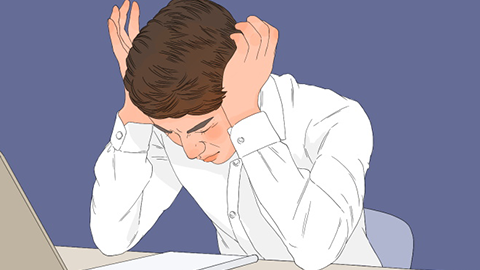
3. Environmental stressors: Major life events such as the death of a loved one, job loss, or relationship breakdowns, as well as chronic long-term stress, can disrupt psychological equilibrium, triggering extreme mood fluctuations in susceptible individuals and leading to disease onset.
4. Structural brain abnormalities: Some patients exhibit changes in the volume of brain regions such as the prefrontal cortex and hippocampus—areas involved in emotion regulation and cognitive function. Such structural abnormalities may interfere with neural signal transmission and increase the risk of developing bipolar disorder.
5. Endocrine disturbances: Endocrine issues such as thyroid dysfunction and fluctuations in sex hormones can affect neurotransmitter secretion and brain function regulation. Women are particularly vulnerable during special physiological periods such as menstruation and pregnancy.
Treatment is primarily based on medication, combined with cognitive-behavioral therapy to regulate emotional responses. Maintaining regular sleep patterns, avoiding late nights, minimizing exposure to stressful events, and receiving emotional support from family members are important for helping stabilize mood.


