


What factors can cause depression?

Depression results from a combination of multiple factors, including genetic influences, neurotransmitter imbalances, psychosocial stress, associations with physical illnesses, and cognitive distortions. Early warning signs should be taken seriously. If symptoms such as persistent low mood or loss of interest last for more than two weeks, prompt medical consultation is recommended.
1. Genetic influences: Depression shows clear familial clustering, with relatives of affected individuals at higher risk than the general population. Genetic factors may influence mechanisms such as neurotransmitter metabolism and stress response regulation, increasing susceptibility to depression.
2. Neurotransmitter imbalance: Dysregulation of key neurotransmitters in the brain—such as serotonin, dopamine, and norepinephrine—disrupts emotional regulation and the experience of pleasure, leading to persistent low mood. This represents a core physiological basis for depression.
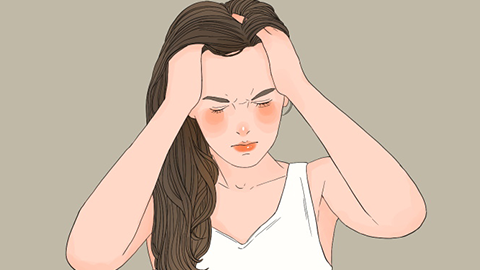
3. Psychosocial stress: Major life events, chronic work pressure, and interpersonal conflicts can exceed an individual's psychological coping capacity, triggering prolonged anxiety and feelings of helplessness. Over time, this accumulation may precipitate a depressive episode.
4. Association with physical illness: Chronic conditions such as diabetes, cardiovascular disease, and chronic pain, as well as hypothyroidism and organic brain disorders, can impair bodily functions and neural regulation, thereby increasing the risk of developing depression.
5. Cognitive distortions: A tendency toward negative thinking patterns—such as excessive self-blame, rigid thinking, and lack of confidence in situations—can trap individuals in a cycle of negativity, hinder effective coping with life challenges, and gradually lead to a depressive state.
Maintaining regular sleep patterns and engaging in moderate exercise, actively participating in social activities to relieve stress, and learning positive emotion regulation techniques are beneficial. Avoid prolonged self-criticism; share difficulties with family or friends promptly, and proactively cultivate a positive living environment.


