


What causes someone to feel very nervous when doing anything?

Generally, feeling extremely nervous when doing things may be caused by excessive nerve sensitivity, lack of security, neurasthenia, generalized anxiety disorder, cardiac neurosis, or other reasons. It is recommended to seek medical attention promptly, identify the underlying cause, and receive symptomatic treatment under a doctor's guidance. Specific analysis is as follows:
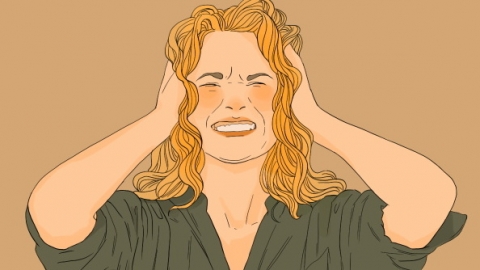
1. Excessive nerve sensitivity: Naturally overactive amygdala leads to exaggerated risk perception toward various events, triggering nervousness. Practicing deep breathing before tasks, breaking tasks into smaller steps, and giving self-affirmation after completing each step can gradually reduce nerve sensitivity.
2. Lack of security: Past failures or adverse influences from one’s upbringing may lead to low self-confidence and increased nervousness when facing challenges. Actively seeking support from family and friends, and recording three small accomplishments daily, can help accumulate positive experiences and boost confidence.
3. Neurasthenia: Prolonged mental stress causes easy fatigue of the nervous system, resulting in overreaction to stimuli and constant tension. Patients may take medications such as oryzanol tablets, vitamin B1 tablets, or diazepam tablets as prescribed, along with maintaining regular sleep patterns and avoiding staying up late.
4. Generalized anxiety disorder: Characterized by persistent and excessive worry, even about minor daily matters, often accompanied by palpitations and insomnia. Treatment may include medications such as buspirone hydrochloride tablets, tandospirone citrate capsules, or lorazepam tablets as directed by a physician, combined with cognitive behavioral therapy.
5. Cardiac neurosis: Autonomic nervous system dysfunction causes sympathetic overactivity during stress, leading to chest tightness and palpitations, which in turn worsen anxiety. Medications such as metoprolol tartrate tablets, oryzanol tablets, or alprazolam tablets may be used as prescribed. In severe cases, stellate ganglion block may be performed to regulate nerve function.
In daily life, avoid excessive consumption of stimulants such as coffee and strong tea. Cultivate calming hobbies like yoga and meditation, and focus on the process rather than the outcome when performing tasks. Maintain a light and balanced diet, engage in moderate exercise to strengthen physical health, and improve emotional regulation ability.


