


How to check for hemorrhoids
Nov 14, 2025
Source: Cainiu Health

Dr. Li Jingxiang
Introduction
In general, there are various methods for examining hemorrhoids. Commonly used approaches include visual inspection, digital rectal examination, anoscopy, colonoscopy, and anal ultrasound. These examinations can help determine the type, size, and location of hemorrhoids. It is important to maintain good anal hygiene by washing with warm water after each bowel movement. Establish regular bowel habits and avoid prolonged squatting or sitting.
Generally, there are various methods for examining hemorrhoids. Commonly used techniques include visual inspection, digital rectal examination, anoscopy, colonoscopy, and anal ultrasound. These examinations help determine the type, size, and location of hemorrhoids. Detailed explanations are as follows:
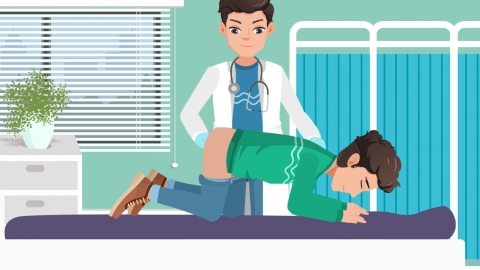
1. **Visual Inspection**: The doctor examines the skin and mucosa around the anus with the naked eye to check for external hemorrhoids, redness, swelling, breaks, or discharge. The patient is usually positioned in the knee-chest or lithotomy position, with the anal muscles relaxed to allow clear observation. This method is simple and straightforward, primarily used for initial assessment of external or mixed hemorrhoids.
2. **Digital Rectal Examination**: Wearing sterile gloves, the doctor inserts a lubricated finger into the patient’s anus to feel for internal hemorrhoidal nodules, masses, or areas of tenderness. Patients are advised to relax by taking deep breaths during the examination. This method helps assess the size, texture, and location of internal hemorrhoids and can also detect other abnormalities within the anal canal.
3. **Anoscopy**: A sterilized anoscope is gently inserted into the anus, allowing direct visualization of the distal rectum and anal canal. This enables clear observation of the number, location, and degree of mucosal congestion of internal hemorrhoids. Patients should empty their bowels before the procedure. Mild discomfort or pressure may be felt during the exam, which provides direct diagnostic evidence for hemorrhoids.
4. **Colonoscopy**: When other intestinal conditions are suspected alongside hemorrhoids, a colonoscopy may be required to comprehensively evaluate the entire colonic mucosa. Bowel preparation is necessary prior to the procedure. This method not only confirms the status of hemorrhoids but also helps detect colorectal polyps, inflammation, and other potential issues early.
5. **Anal Ultrasound**: Using an ultrasound probe, this technique evaluates the tissues surrounding the anus and rectum, providing detailed information on blood flow, size, and anatomical relationships of hemorrhoids. It is non-invasive and particularly useful for accurately assessing the extent and severity of hemorrhoids, thereby guiding treatment decisions.
In daily life, maintaining good anal hygiene is essential—washing the area with warm water after each bowel movement is recommended. Establish regular bowel habits, avoid prolonged squatting or sitting, consume more dietary fiber, prevent constipation, and minimize irritation and injury to the anal region.






