


Do cervical hypertrophy and erosion require treatment?

In general, physiological cervical hypertrophy and cervical erosion do not require treatment, while pathological changes need intervention. Whether or not treatment is necessary for either condition should be determined based on examination results; a one-size-fits-all approach is not appropriate. The specific analysis is as follows:
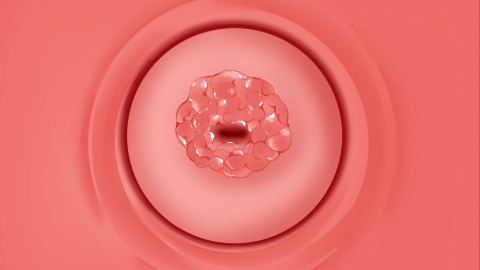
Cervical erosion is mostly due to physiological ectopic columnar epithelium, which refers to changes in the appearance of the cervix caused by hormonal fluctuations rather than actual erosion. If vaginal discharge is normal and there is no contact bleeding, regular screening is sufficient. Cervical hypertrophy is often caused by long-term stimulation from chronic inflammation leading to cervical tissue proliferation. If the inflammation is stable and there are no uncomfortable symptoms, special treatment is unnecessary—regular follow-up examinations are adequate.
If cervical erosion is accompanied by increased vaginal discharge, odor, or post-coital bleeding, or if screening reveals HPV infection or cervical intraepithelial lesions, timely treatment is required to prevent disease progression. Similarly, if cervical hypertrophy results from an acute inflammatory episode causing abdominal pain, purulent discharge, or if there is suspicion of malignant cervical lesions, medical or physical interventions are needed to control inflammation and confirm diagnosis.
It is important in daily life to maintain external genital hygiene, avoid unhygienic sexual practices, and minimize cervical irritation. It is recommended to undergo annual cervical cytology (Pap smear) and HPV testing for early detection and prompt management.


