


What should hemorrhoid patients pay attention to eating
Nov 14, 2025
Source: Cainiu Health

Dr. Li Jingxiang
Introduction
Hemorrhoid patients should consume more foods rich in dietary fiber, high-moisture foods, high-quality protein foods, vitamin-rich foods, and light, easily digestible foods. A balanced diet can reduce perianal irritation, prevent constipation, and aid in recovery. If symptoms worsen despite dietary adjustments, or if there is significant bleeding or severe pain, prompt medical attention is recommended.
Patients with hemorrhoids should eat more foods rich in dietary fiber, high-moisture foods, high-quality protein foods, vitamin-rich foods, and light, easily digestible foods. A balanced diet can reduce anal irritation, prevent constipation, and support recovery. If symptoms worsen despite dietary adjustments, or if significant bleeding or severe pain occurs, prompt medical attention is recommended.
1. Foods rich in dietary fiber: Such as vegetables like celery, leeks, and spinach, as well as whole grains like oats, corn, and sweet potatoes. These promote intestinal motility and increase stool bulk, helping to avoid excessive straining during bowel movements that can aggravate hemorrhoids.
2. High-moisture foods: Such as watermelon, pear, winter melon, and cucumber. Adequate hydration helps soften stools, reducing friction and irritation to hemorrhoids during defecation, thereby lowering the risk of bleeding and pain. Sufficient daily fluid intake should be ensured.
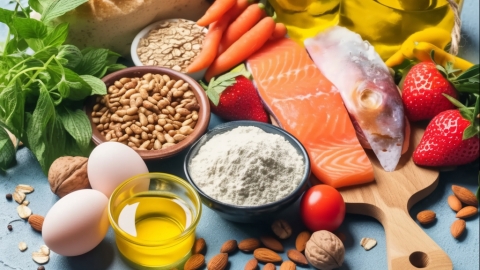
3. High-quality protein foods: Such as lean meat, eggs, milk, and soy products. These provide essential nutrients, enhance the repair capacity of perianal tissues, and aid in healing hemorrhoidal wounds, especially beneficial for postoperative patients.
4. Vitamin-rich foods: Such as citrus fruits, grapefruits, and kiwis. Vitamin C promotes collagen synthesis and improves blood vessel elasticity, reducing hemorrhoid bleeding; B vitamins help maintain healthy intestinal mucosa.
5. Light and easily digestible foods: Such as millet porridge, soft noodles, and steamed egg custard. These prevent prolonged intestinal retention of food that may lead to constipation, reduce irritation to perianal blood vessels, and lower the frequency of hemorrhoid flare-ups.
Diet should be regular and portion-controlled, avoiding overeating. Cooking methods should primarily include steaming, boiling, stewing, and cold mixing, minimizing frying, pan-frying, and grilling. Spicy, stimulating, raw, cold, and hard foods should be limited, alcohol intake should be controlled, and a habit of regular bowel movements should be cultivated.






