


What preparations should be made before seeing a doctor for hemorrhoids?
Nov 14, 2025
Source: Cainiu Health

Dr. Li Jingxiang
Introduction
Before visiting a doctor for hemorrhoids, it is important to organize your symptoms and medical history, clean the anal area, adjust your diet, and prepare for related examinations. Comprehensive preparation helps the doctor make a quick and accurate diagnosis. If you experience emergency conditions such as severe bleeding, intense pain, or prolapsed (strangulated) hemorrhoids, seek medical attention immediately. Be ready to clearly describe the onset time, frequency, and main symptoms of your hemorrhoid episodes.
Before seeking medical consultation for hemorrhoids, it is important to prepare by organizing symptoms, reviewing medical history, cleaning the anal area, adjusting diet, and preparing for related examinations. Comprehensive preparation helps doctors make quick and accurate diagnoses. If emergency conditions such as severe bleeding, intense pain, or prolapsed (incarcerated) hemorrhoids occur, seek medical attention immediately.
1. Symptom assessment: Clearly identify in advance when the hemorrhoid symptoms started, their frequency, and main manifestations—such as the color and amount of bleeding, severity of pain, and presence of swelling or tissue protrusion. Also note factors that worsen or relieve symptoms, providing key information for diagnosis.
2. Medical history review: Recall any previous history of hemorrhoids and treatments received, presence of chronic conditions such as constipation, diarrhea, hypertension, or diabetes, and whether you are taking medications long-term, especially anticoagulants, to avoid omitting critical health information.
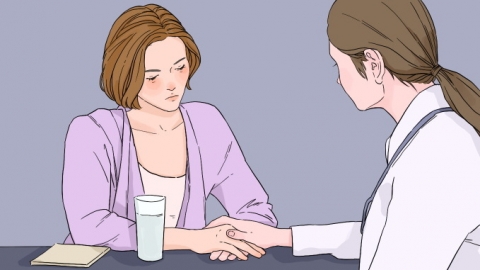
3. Clean the anal area: Wash the perianal region with warm water before visiting the doctor to keep the area clean and dry. Wear loose, easily removable clothing to facilitate visual and digital rectal examinations and reduce discomfort during the exam.
4. Adjust diet: Avoid spicy, greasy, and hard-to-digest foods 1–2 days before the appointment, as these may cause constipation or diarrhea and interfere with examination results. Instead, consume light, easily digestible meals to maintain regular bowel movements.
5. Prepare for examinations: Bring previous medical records, test reports, and medication logs. If additional tests such as colonoscopy are required, follow medical instructions to complete bowel preparation in advance to prevent delays due to inadequate preparation.
Maintain a regular daily routine before and after your visit; avoid prolonged sitting or standing to reduce pressure on the anal area. During bowel movements, avoid excessive straining or spending too much time on the toilet. After defecation, clean the anal area with warm water to maintain comfort and hygiene, supporting effective treatment and recovery.






