


Can pelvic floor electrical muscle stimulation be done every day?

Generally, whether pelvic floor electrical stimulation can be performed daily depends on individual circumstances, treatment goals, and professional medical advice. If any discomfort occurs, it is recommended to consult a doctor promptly. The detailed analysis is as follows:
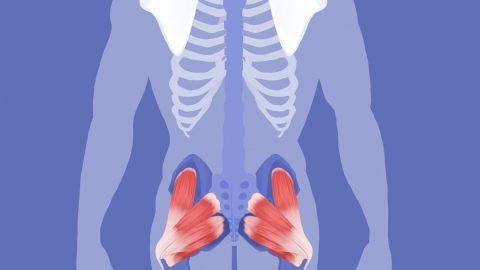
If pelvic floor muscle damage is severe—such as noticeable urinary incontinence or pelvic organ prolapse after childbirth—daily pelvic floor electrical stimulation may be advised by a physician during the initial treatment phase following medical evaluation. In such cases, low-intensity settings should be used, combined with professionally guided exercise training. This approach helps restore muscle tone over time. Once symptoms improve, the treatment frequency can be adjusted to a periodic schedule.
However, if the purpose is merely routine pelvic floor muscle maintenance, or if symptoms have significantly improved during the later stages of treatment, daily electrical stimulation is not recommended. Excessive stimulation may lead to muscle fatigue or spasms, which could hinder recovery. Additionally, treatment should be suspended in the presence of acute conditions such as vaginal or pelvic inflammatory diseases to avoid exacerbating infections or causing discomfort.
As part of daily self-care, individuals can perform Kegel exercises by contracting and relaxing the pelvic floor muscles, holding each contraction for 5–10 seconds and repeating several times. Maintaining cleanliness and dryness of the external genital area helps prevent infections that might impair recovery. A light diet rich in dietary fiber is recommended to prevent constipation, which can increase strain on the pelvic floor. Avoid prolonged urine retention and heavy lifting to reduce pressure on the pelvic floor muscles. Regular follow-up evaluations are important to adjust the care plan according to recovery progress.


