


What are the symptoms of low anal fistula?
Nov 14, 2025
Source: Cainiu Health

Dr. Li Jingxiang
Introduction
Low anal fistula is a type of anal fistula in which the fistulous tract lies below the deep portion of the external anal sphincter. Symptoms are primarily local and include recurrent discharge of pus around the anus, localized pain, perianal itching, abnormal external openings, and discomfort during defecation. These symptoms tend to recur and can significantly affect daily life. Low anal fistulas cannot heal spontaneously and require timely treatment. It is important in daily life to maintain cleanliness and dryness of the perianal area.
Low anal fistula is a type of anal fistula in which the fistulous tract lies below the deep portion of the external anal sphincter. Symptoms are primarily local and include recurrent discharge of pus around the anus, localized pain, perianal itching, abnormal external openings, and discomfort during defecation. These symptoms tend to recur and can significantly affect daily life. A detailed analysis is as follows:
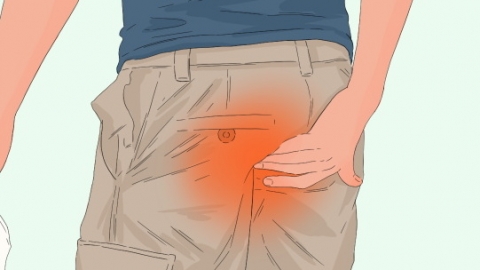
1. Recurrent pus discharge around the anus: This is the most typical symptom of low anal fistula. The pus is usually yellow or yellow-green in color and may be thick or thin in consistency. When the fistula tract is unobstructed, there is often abundant discharge. If the external opening temporarily closes, the accumulated pus cannot drain, leading to local swelling. Once pressure builds up sufficiently to cause the external opening to rupture again, the pus will resume discharging.
2. Localized pain: Pain is generally mild but often presents as a sensation of heaviness or fullness in the anal area. When the external opening closes and pus accumulates, noticeable distension or throbbing pain occurs, with severity increasing as more pus collects. Pain typically subsides rapidly once the pus is discharged. Walking or prolonged sitting may exacerbate mild discomfort due to local friction.
3. Perianal itching: Continuous irritation from pus and other secretions damages the skin barrier around the anus, causing itching. Patients often scratch unconsciously, which can lead to skin breakdown, redness, and even perianal eczema, further worsening the itch and creating a vicious cycle.
4. Abnormal external openings: One or more fixed external openings can be observed on the skin around the anus. These openings are typically round or oval, appearing bright red or dark red, with surrounding skin possibly showing redness, swelling, or induration. Pressing around the external opening may result in pus or mucus discharge.
5. Discomfort during defecation: Some patients experience mild anal pain or a feeling of heaviness during bowel movements. If the fistula communicates with the rectum, increased secretions may occur during defecation. In severe cases, straining during bowel movements can increase local pressure, intensifying pain or increasing pus discharge.
Low anal fistulas do not heal spontaneously and require timely treatment. Daily care should focus on maintaining cleanliness and dryness of the perianal area, frequent changing of underwear, avoiding scratching the affected skin, and minimizing the risk of infection to create favorable conditions for subsequent treatment.



