


Can sitting for long periods cause hemorrhoids?

Whether prolonged sitting leads to hemorrhoids depends on specific circumstances. Sitting for long periods with poor posture and lack of movement increases the risk of developing hemorrhoids; however, maintaining proper sitting posture, taking regular breaks to stand and move around, and adopting healthy habits can significantly reduce this risk. Detailed analysis is as follows:
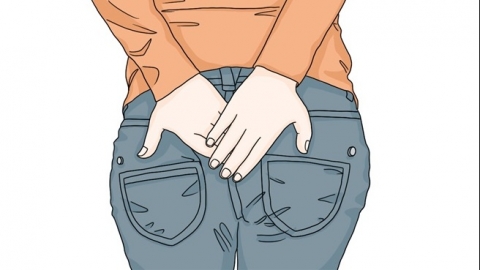
Prolonged sitting puts pressure on the buttocks, impairing blood circulation in the anal area and causing congestion and dilation of the venous plexus. If combined with slouching or sitting on non-breathable chairs, the local strain is further increased. Over time, such conditions can weaken the elasticity of vein walls, potentially leading to hemorrhoid formation. This often results in discomfort such as anal heaviness and itching. Office workers, drivers, and similar groups who sit for extended periods are at higher risk.
However, if one maintains correct sitting posture, uses a breathable and comfortable chair, and stands up to move every 30 minutes for about five minutes, blood circulation in the anal region can be improved, reducing irritation. When combined with healthy routines like regular bowel movements and a light diet, even individuals who must sit for long durations can effectively avoid triggers of hemorrhoids and lower their risk of developing them.
In daily life, it's important to develop the habit of standing up and moving regularly, and performing simple Kegel exercises (pelvic floor contractions) to strengthen the muscles around the anus. Increasing dietary fiber intake, avoiding spicy foods, and maintaining smooth bowel movements are also beneficial. Avoid using mobile phones during bowel movements and keep toilet time short—these measures can effectively prevent hemorrhoids.


