


What are the symptoms of intestinal thrombosis?

When intestinal thrombosis occurs, typical symptoms include severe abdominal pain, nausea and vomiting, abnormal bowel movements and gas passage, abdominal tenderness, and general malaise. A detailed analysis is as follows:
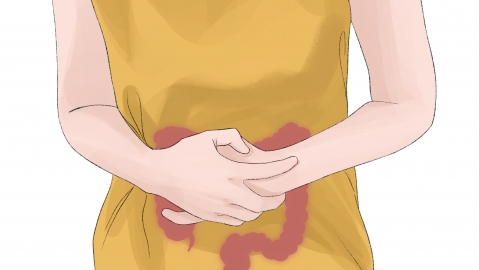
1. Severe abdominal pain: Intestinal thrombosis blocks blood supply to the intestines, causing ischemia and spasms that lead to intense abdominal pain. The pain is usually sudden in onset; initially intermittent, it gradually becomes persistent and severe as the condition progresses. The location of the pain is often not fixed.
2. Nausea and vomiting: Intestinal ischemia disrupts normal digestive function and causes disordered gastrointestinal motility, resulting in nausea and vomiting. Initially, vomitus typically consists of gastric contents. If the condition worsens and leads to intestinal obstruction, bile may be present in the vomit, and even feculent (fecal-like) material may appear.
3. Abnormal bowel movements and gas passage: Intestinal thrombosis impairs intestinal motility and blood flow, potentially leading to reduced or completely halted defecation and flatus. Some patients may initially pass small amounts of loose or bloody stools—this indicates ischemic necrosis of the intestinal mucosa. As the condition progresses and intestinal obstruction worsens, bowel movements and gas passage cease entirely.
4. Abdominal tenderness: Obvious tenderness occurs upon pressing the abdomen, commonly located in the area corresponding to the ischemic segment of the intestine. If intestinal necrosis or perforation develops, the tenderness becomes more severe and may be accompanied by abdominal muscle rigidity, rebound tenderness, and a rigid-feeling abdomen upon palpation—signs indicating a critical and life-threatening condition.
5. Systemic discomfort: If left untreated, intestinal thrombosis can trigger a systemic inflammatory response, leading to symptoms such as fever, fatigue, and dizziness. Some patients may develop dehydration and electrolyte imbalances due to intestinal ischemia and necrosis, manifesting as dry mouth, decreased urine output, and reduced skin elasticity. In severe cases, signs of impending shock may occur.
If any of the above symptoms suggestive of intestinal thrombosis appear, immediate emergency medical evaluation is essential. Diagnosis should be confirmed through imaging studies. During treatment, patients must strictly follow medical advice and cooperate with all necessary examinations and therapies. Self-administration of painkillers should be avoided, as this may mask symptoms and delay timely intervention.


