


What causes pain from anal fissures?
Nov 15, 2025
Source: Cainiu Health

Dr. Li Jingxiang
Introduction
In general, anal fissure pain may be caused by factors such as dry and hard stools rubbing against the anal canal, poor defecation habits, perianal skin infection, ulcerative colitis, or anal stricture. It is recommended to seek medical attention promptly, identify the underlying cause, and then improve symptoms under a doctor's guidance through conservative management, medication, and other treatments. In daily life, avoid consuming spicy and irritating foods such as chili peppers and Sichuan pepper to reduce irritation to the anal mucosa.
Generally, anal fissure pain may be caused by dry and hard stools rubbing against the anal canal, poor defecation habits, perianal skin infection, ulcerative colitis, anal stenosis, or other reasons. It is recommended to seek medical attention promptly, identify the underlying cause, and then improve symptoms under a doctor's guidance through general management, medication, and other treatments. Specific causes are analyzed as follows:
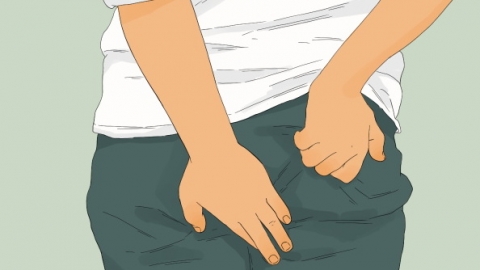
1. Dry and hard stools rubbing against the anal canal: Prolonged retention of feces in the intestine leads to water loss, making stools hard and dry. Forcing passage during defecation can tear the anal skin and cause pain. Drink 1500–2000 mL of water daily and consume fiber-rich foods such as celery, spinach, and dragon fruit to soften stools and reduce friction.
2. Poor defecation habits: Long periods of squatting on the toilet or excessive straining during bowel movements increase pressure on the anal canal, leading to skin damage and pain. Develop regular bowel habits, limit each bowel movement to within 5 minutes, and avoid using mobile phones during defecation to maintain focus.
3. Perianal skin infection: Bacterial infection due to poor perianal hygiene can reduce skin elasticity, making it prone to cracking and pain, often accompanied by redness, swelling, and discharge. Wash the perianal area with warm water after bowel movements and apply medications such as mupirocin ointment, erythromycin ointment, or fusidic acid cream as directed by a physician.
4. Ulcerative colitis: Immune-mediated inflammation causes ulcers in the colonic mucosa, which may spread to the anal canal, resulting in skin damage and pain, along with diarrhea and mucus in the stool. Take medications such as mesalamine enteric-coated tablets, sulfasalazine enteric-coated tablets, or oxaprozin sodium capsules as prescribed.
5. Anal stenosis: Congenital developmental abnormalities or post-surgical scarring can lead to narrowing of the anal canal, causing the anal skin to tear during defecation and result in pain. Anal dilation procedures may be required to surgically widen the anal opening and reduce the risk of trauma during bowel movements.
Avoid consuming spicy and irritating foods such as chili peppers and Sichuan pepper to minimize irritation to the anal mucosa. Perform sitz baths with warm water around 40°C, 1–2 times daily for 15 minutes each time, to promote blood circulation in the perianal area and accelerate healing of the fissure. Wear loose, breathable cotton underwear and change them frequently to keep the area clean and dry.


