


Can loud prenatal music affect the fetus's hearing?
Nov 15, 2025
Source: Cainiu Health

Dr. Zhang Lu
Introduction
If prenatal music is played at a volume only slightly higher than normal conversation (not exceeding 60 decibels), limited to 15–30 minutes per session, and not placed directly against the pregnant woman's abdomen, the sound intensity reaching the fetus will be attenuated by the mother's body. Under these conditions, the fetal inner ear hair cells are not excessively stimulated, and thus there is no adverse effect on hearing.
Under normal circumstances, if prenatal education music is occasionally played slightly louder for a short period but remains within the safe range, and the fetus shows no abnormal reactions, it typically does not affect hearing. However, prolonged exposure to excessively loud sounds exceeding safe decibel levels or playing music directly against the abdomen may potentially damage fetal hearing. If concerned, it is advisable to consult a healthcare provider in advance. Detailed analysis is as follows:
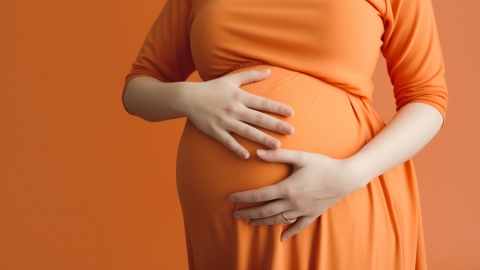
If the volume of prenatal music is only occasionally slightly higher than that of normal conversation, limited to 15–30 minutes per session, and not played directly against the pregnant woman’s abdomen, the sound intensity reaching the fetus is naturally reduced after passing through maternal tissues. In such cases, the hair cells in the fetal inner ear are not overstimulated, so there is no adverse effect on hearing; instead, this can moderately stimulate auditory development.
If prenatal music consistently exceeds 80 decibels or the playback device is placed directly on the pregnant woman’s abdomen, intense sound waves may directly impact the immature hair cells in the fetal inner ear, potentially causing cell damage and impairing hearing development. Some fetuses may also exhibit increased fetal movements or restlessness due to noise stimulation. Prolonged exposure could further affect the development of the fetal nervous system. These situations should be strictly avoided.
If there are concerns about fetal hearing, regular prenatal check-ups including relevant assessments are recommended to ensure healthy development of the fetal auditory system.



