


Is there still hope at 6 weeks of pregnancy with a progesterone level of 13.7?

Generally, at 6 weeks of pregnancy, a progesterone level of 13.7 ng/mL may still be promising if accompanied by the presence of fetal heartbeat and yolk sac, along with normal rise in human chorionic gonadotropin (hCG). However, if no fetal heartbeat or yolk sac is detected and hormone levels are abnormal, the prognosis is less favorable. If concerned, it is advisable to seek medical consultation early. Detailed analysis is as follows:
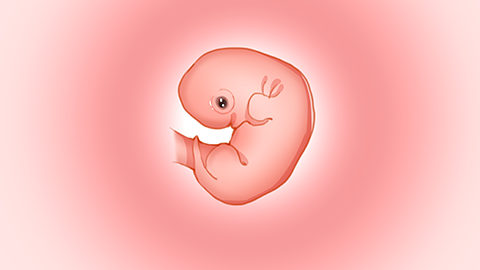
If a clear fetal heartbeat and yolk sac are visible on ultrasound at 6 weeks, and hCG levels are doubling normally every two days, a slightly low progesterone level of 13.7 ng/mL is usually not a major concern. Under medical guidance, supplemental progesterone can be administered, while ensuring adequate rest and avoiding physical strain. In most cases, the embryo can develop normally, and progesterone levels may gradually increase, helping maintain a stable pregnancy.
If no fetal heartbeat or yolk sac is observed on ultrasound at 6 weeks, and hCG levels show slow growth or even decline, especially when the progesterone level remains low at 13.7 ng/mL without improvement, the chances of a successful pregnancy are significantly reduced. This may indicate poor embryonic development or embryonic demise. Even with progesterone supplementation, it is unlikely to reverse abnormal embryonic conditions. Further evaluation is necessary to confirm the situation and prevent delayed management.
At 6 weeks of pregnancy with a progesterone level of 13.7 ng/mL, prompt follow-up with repeat ultrasound and hormone testing is essential. Strict adherence to the doctor’s treatment plan is required. During this period, avoid excessive anxiety and maintain regular sleep patterns. If symptoms such as abdominal pain or vaginal bleeding occur, seek immediate medical attention to ensure timely response to any pregnancy complications.


