


Why didn't older generations have postpartum depression?

Older generations are often believed to have not experienced postpartum depression, which is largely related to lifestyle patterns, social support systems, and prevailing cognitive attitudes at the time. Factors such as well-established family support, a focus on basic survival needs, restrained emotional expression, limited societal awareness of mental health issues, and a natural transition into postpartum roles contributed to this perception. A detailed analysis is as follows:
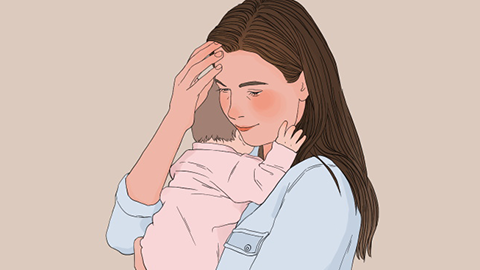
1. Well-established family support system: In the past, extended families commonly lived together. After childbirth, elders, sisters, and other relatives would collectively care for the newborn and the mother, sharing household chores and childcare responsibilities. This allowed the mother to avoid facing parenting pressures alone, reducing the likelihood of emotional distress caused by excessive fatigue, while ensuring adequate rest and emotional companionship.
2. Focus centered on survival needs: During the older generation’s time, material resources were limited. Postpartum energy was primarily directed toward meeting basic needs such as food, shelter, and infant care. With attention focused on practical survival matters, there was less awareness or concern about emotional fluctuations, making it less likely for negative emotions to be noticed or amplified.
3. Restrained emotional expression habits: Traditional beliefs considered open emotional expression inappropriate. Older generations were more inclined to suppress or ignore their negative emotions. Even when feeling down, they typically coped by silently enduring or immersing themselves in housework, rather than openly discussing or identifying their condition as "postpartum depression."
4. Limited societal understanding of mental health: In the past, there was little scientific awareness of psychological conditions like postpartum depression. Clear concepts and diagnostic criteria did not exist. Even when symptoms appeared, they were often attributed to normal conditions such as "postnatal weakness" or "mood swings," and were not recognized as mental health issues requiring intervention.
5. Natural transition into postpartum roles: The older generation tended to marry and give birth at younger ages, and the life path of "marriage followed by childbirth" was widely accepted. The shift into the maternal role aligned with societal expectations, resulting in less anxiety about motherhood or confusion over self-worth, thereby reducing psychological stress related to role adaptation.
The belief that "older generations did not experience postpartum depression" should be viewed rationally. In reality, this perception stems largely from inadequate recognition of mental health issues at the time and cultural norms around emotional expression, rather than an actual absence of such conditions.


