


What are the basic methods of psychological counseling for anxiety disorders?
Nov 17, 2025
Source: Cainiu Health

Dr. Zhang Baohua
Introduction
Basic psychological counseling methods for anxiety disorders generally include cognitive restructuring, progressive muscle relaxation, emotional expression, breathing regulation, and mindfulness awareness. These approaches help individuals identify negative thoughts that trigger anxiety, recognize the irrational components within them, and replace such thoughts with more balanced ones. For example, replacing the thought "I will definitely fail" with "I can try, and even if the outcome isn't ideal, I'll gain valuable experience."
Anxiety psychological counseling typically involves several basic methods, including cognitive restructuring, progressive muscle relaxation, emotional expression, breathing regulation, and mindfulness awareness. The details are as follows:
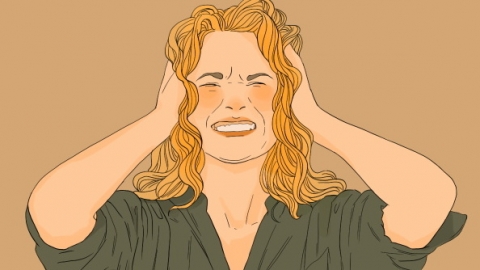
1. Cognitive Restructuring: This method helps individuals identify negative thoughts that trigger anxiety, recognize irrational components within them, and replace these thoughts with more balanced ones. For example, changing the thought "I will definitely fail" to "I can try my best, and even if the outcome isn't ideal, I'll gain valuable experience." By applying rational thinking, this approach breaks the cycle of negative thought patterns and reduces anxiety caused by distorted thinking.
2. Progressive Muscle Relaxation: Starting from the feet, this technique involves systematically tensing and then relaxing each major muscle group, gradually moving upward to the head. Each muscle group is tensed for several seconds before being slowly released, allowing individuals to notice the contrast between tension and relaxation. By actively regulating physical states in this way, it helps relieve physical discomfort such as stiffness and tightness caused by anxiety.
3. Emotional Expression: Sharing anxious feelings with trusted individuals—such as family members, friends, or professional counselors—can be highly beneficial. Clearly articulating the specific content of one's anxiety and the situations that trigger it allows emotional stress to be released. This process also fosters understanding and may yield helpful advice, reducing feelings of loneliness and anxiety.
4. Breathing Regulation: This method uses slow diaphragmatic breathing—inhaling deeply so the abdomen naturally expands, holding the breath briefly, then exhaling slowly while the abdomen gently contracts. Repeating this process for several minutes while focusing on the rhythm of breathing helps regulate the autonomic nervous system, alleviating symptoms such as rapid heartbeat and shortness of breath associated with anxiety.
5. Mindfulness Awareness: This practice involves directing attention to present-moment experiences, such as bodily sensations, surrounding sounds, or the rhythm of breathing, without judgment or resistance toward anxious feelings. When anxious thoughts arise, attention is gently brought back to the present moment. By cultivating present-moment awareness, this method reduces excessive worry about the future and helps alleviate anxiety.
If anxiety persists despite using these techniques, or significantly interferes with work and daily life, it is important to seek professional help from a mental health specialist promptly, to prevent worsening symptoms due to prolonged neglect. Regular practice of these methods in daily life can help build stable emotional self-regulation skills.




