


What are the symptoms of heterosexual phobia?

Heterophobia is a psychological state characterized by excessive fear and anxiety when interacting with the opposite sex. Main manifestations include extreme emotional tension, social avoidance behaviors, obvious physical reactions, cognitive distortions, and abnormal behavior. A detailed analysis is as follows:
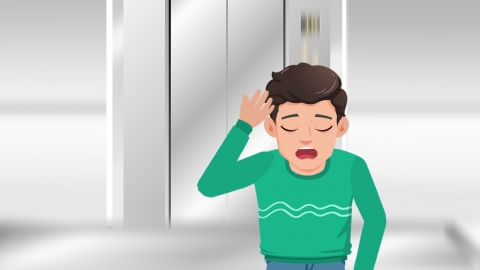
1. Extreme emotional tension: When interacting with someone of the opposite sex, individuals may suddenly experience intense anxiety and fear, manifesting as mental confusion, helplessness, or even a sense of impending doom. These emotional responses are disproportionate to the actual social situation and persist despite the other person's friendly attitude, making it difficult to relieve inner tension.
2. Social avoidance behavior: Individuals deliberately avoid situations involving the opposite sex, such as refusing to attend gatherings, classes, or work-related interactions where many people of the opposite sex are present. If encountering someone of the opposite sex cannot be avoided, they will try to minimize contact time and quickly leave the scene. Over time, this can lead to an extremely limited social circle.
3. Obvious physical reactions: The emotional tension triggers various physical discomforts, commonly including blushing, sweating, trembling hands, and shaky voice. Some individuals may also experience dizziness, chest tightness, or shortness of breath. These physical symptoms further increase psychological burden, creating a vicious cycle of "anxiety → physical discomfort."
4. Cognitive distortions: Individuals excessively doubt their ability to interact with the opposite sex, firmly believing they will embarrass themselves or make mistakes in front of others. They also tend to overestimate negative evaluations from others, assuming they are being looked down upon or ridiculed—even without any concrete evidence.
5. Abnormal behavior: When talking to someone of the opposite sex, individuals may avoid eye contact, shift their gaze frequently, speak incoherently, or display disorganized logic. Some may exhibit unconscious repetitive actions, such as adjusting clothing or fidgeting with objects, as a way to alleviate internal anxiety.
These symptoms are primarily related to psychological factors and can be improved through gradually increasing interaction frequency with the opposite sex and engaging in confidence-building exercises. People around them should offer understanding and encouragement, helping to foster a positive mindset toward interpersonal interactions, while avoiding excessive criticism that could加重 psychological stress.


