


What psychological disorders can emotional setbacks lead to?

Emotional setbacks can have a strong psychological impact. If negative emotions are suppressed for a long time, they may trigger mental health disorders such as depression, anxiety disorder, post-traumatic stress disorder (PTSD), paranoid personality disorder, and obsessive-compulsive disorder (OCD). A detailed analysis is as follows:
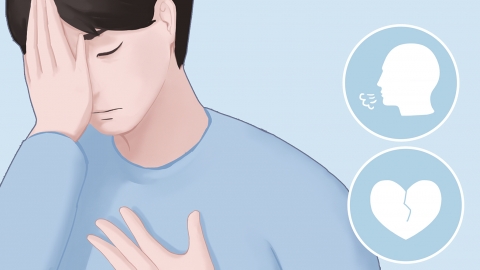
1. Depression: After an emotional setback, persistent sadness and self-blame can easily lead to depression. Patients lose interest in life and experience prolonged low mood that is difficult to alleviate. Symptoms often include insomnia, loss of appetite, and reduced energy. In severe cases, individuals may develop feelings of self-rejection and hopelessness.
2. Anxiety Disorder: Uncertainty and painful memories following the loss of a relationship can fill the mind with worry and unease, potentially triggering anxiety disorder. Patients may experience constant tension, restlessness, and physical symptoms such as palpitations, dizziness, and shortness of breath, along with intense fear about the future.
3. Post-Traumatic Stress Disorder (PTSD): If an emotional setback involves serious harm such as betrayal or deception, it may lead to PTSD. Patients repeatedly relive distressing memories, deliberately avoid people or situations associated with the past, become emotionally reactive and easily triggered, and remain highly vigilant toward their surroundings.
4. Paranoid Personality Disorder: Some individuals may develop intense distrust toward others after an emotional setback, gradually progressing to paranoid personality disorder. These patients constantly doubt others' intentions, tend to interpret neutral behaviors or remarks as hostile, and exhibit hypersensitivity, suspicion, and stubbornness, making it difficult to establish new trusting relationships.
5. Obsessive-Compulsive Disorder (OCD): The sense of losing control caused by emotional trauma may drive some individuals to seek psychological balance through repetitive behaviors, leading to OCD. Patients may repeatedly check items related to their ex-partner or compulsively recall details of the relationship. Despite recognizing these actions as meaningless, they feel unable to stop, becoming trapped in a cycle of suffering.
Timely emotional support and trauma processing are crucial. Expressing emotions through confiding in friends and family or developing personal hobbies can effectively reduce the risk of mental health issues and help individuals return to a positive and healthy life.


