


What are the solutions for sleep disorders?

Solutions for sleep disorders include regulating daily routines, optimizing the sleep environment, adjusting diet, engaging in moderate exercise, and psychological counseling. A comprehensive, individualized approach is required to gradually improve sleep quality. If sleep problems persist for more than three months, or are accompanied by emotional disturbances or physical discomfort, prompt medical consultation is recommended.
1. Regulate daily routines: Go to bed and wake up at the same time every day, even on weekends. Avoid staying up late or oversleeping during catch-up sleep, helping the body establish a stable circadian rhythm and reducing difficulties falling asleep and sleep disruptions.
2. Optimize the sleep environment: Keep the bedroom quiet, dimly lit, and at a comfortable temperature. Choose a mattress and pillow with appropriate firmness, minimize external disturbances such as noise and light, create a comfortable sleeping space, and enhance sleep depth.
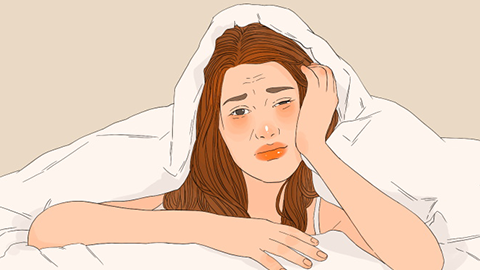
3. Adjust diet: Avoid heavy or late dinners; reduce intake of spicy, greasy foods and sweets. Do not eat within three hours before bedtime. Drinking warm milk in moderation before sleep may help, while coffee, strong tea, and alcoholic beverages should be avoided.
4. Engage in moderate exercise: Perform about 30 minutes of moderate-intensity exercise daily, such as brisk walking, yoga, or swimming, to promote metabolism and increase feelings of fatigue. However, avoid vigorous exercise within two hours of bedtime, as it may overstimulate the nervous system and interfere with falling asleep.
5. Psychological counseling: Use techniques such as meditation, deep breathing, and mindfulness training to relieve anxiety and stress. Avoid excessive thinking about work or daily concerns before sleep. If psychological burdens are significant, seek professional mental health support.
Reduce time spent in bed during daytime and avoid non-sleep activities such as working or using smartphones while in bed. Stay away from electronic devices one hour before bedtime, and instead relax through reading printed books or listening to soothing music to facilitate natural sleep onset.


