


Is excessive inferiority complex a mental illness?
Nov 17, 2025
Source: Cainiu Health

Dr. Zhang Baohua
Introduction
If feelings of inferiority occur only in specific situations (such as facing unfamiliar environments or complex tasks), are mild in intensity, can be alleviated through self-regulation or encouragement from others, and do not significantly interfere with daily social interactions, study, or work, and if there are no persistent symptoms such as low mood or self-negativity, such cases are generally considered normal psychological responses. They tend to gradually improve with accumulated experience and enhanced capabilities, and therefore do not require excessive concern.
Generally speaking, excessive inferiority complex is not necessarily a mental illness. If it occurs only occasionally and does not affect daily life, it is considered normal; however, if it persistently and significantly interferes with daily functioning, it may be associated with psychological issues. If in doubt, it is advisable to seek medical consultation early. Detailed analysis is as follows:
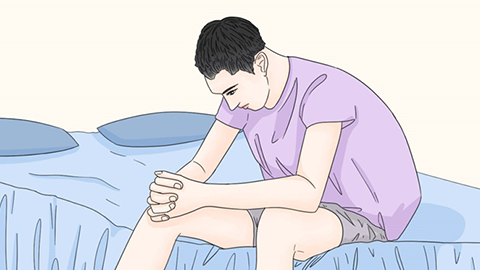
If feelings of inferiority arise only in specific situations (such as facing unfamiliar environments or complex tasks), are mild in intensity, can be alleviated through self-regulation or encouragement from others, and do not noticeably disrupt daily social interactions, study, or work—especially without persistent low mood or self-criticism—this is typically a normal psychological response. It tends to improve gradually with accumulated experience and enhanced capabilities, and generally does not require excessive concern.
If feelings of inferiority persist over a long period, involve frequent and intense self-denial, lead to deliberate avoidance of social interactions or refusal to try new things, impair the ability to participate normally in study or work, and are accompanied by symptoms such as depression, anxiety, or sleep disturbances, they may be related to psychological conditions such as social anxiety disorder or depressive states. A professional evaluation is needed to determine whether there is a tendency toward a mental health disorder, so as to prevent long-term neglect from negatively affecting psychological and physical development.
If excessive inferiority is already interfering with normal life, individuals may first try proactively communicating with someone they trust. If no improvement is achieved through such adjustments, timely consultation with a mental health specialist is recommended, where professional interventions can help build a more positive self-perception.


