


What are the signs of depression in children?
Nov 17, 2025
Source: Cainiu Health

Dr. Zhang Baohua
Introduction
Children's depression differs from that of adults and often manifests in daily behaviors and emotions, mainly including persistent low mood, declining academic performance, social withdrawal and avoidance, sleep and eating disturbances, and increased irritability. Parents should closely monitor changes in their child's behavior, provide sufficient陪伴 (companionship), and communicate patiently, avoiding neglect or blame.
Children's depression differs from that of adults and is often manifested in daily behaviors and emotions, mainly including persistent low mood, declining academic performance, social withdrawal, sleep and eating disturbances, and increased irritability. The specific manifestations are as follows:
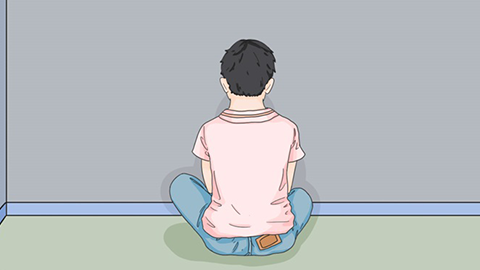
1. Persistent low mood: Children often appear unhappy, lose interest in previously enjoyed activities such as toys and games, cry easily, and have dull-looking eyes. Some children may directly express unhappiness, while others may vent suppressed emotions through tantrums or crying, with relatively frequent mood swings.
2. Declining academic performance: Difficulty concentrating, reduced memory, frequent daydreaming during class, procrastination on homework, increased mistakes, and a noticeable drop in grades without clear justification. Children may develop resistance toward studying, even avoiding school altogether, and show signs of agitation or fear when school-related topics are mentioned.
3. Social withdrawal: Children may actively distance themselves from peers, refuse to participate in group activities, avoid communication and interaction, and prefer to stay alone in corners. When approached with care or invitations, they often respond with silence or shaking their heads, gradually withdrawing from their previous social circles.
4. Sleep and eating disturbances: Sleep problems are common, including difficulty falling asleep, frequent nighttime awakenings, or early morning waking; some children may instead exhibit excessive sleepiness. Regarding eating habits, they may experience significantly reduced appetite and food intake, or engage in binge eating, leading to noticeable weight fluctuations within a short period.
5. Increased irritability: Compared to their previous temperament, children become unusually sensitive and prone to anger, reacting strongly—such as shouting, throwing objects, or even displaying aggressive behaviors—to minor triggers. Afterwards, they often feel regretful and guilty, creating a vicious cycle.
Parents should closely monitor changes in their child’s behavior, provide sufficient companionship, and communicate patiently, avoiding neglect or blame. Creating a warm and supportive family environment, promptly identifying emotional distress, and helping children express their feelings appropriately are essential steps in supporting them through psychological difficulties.





