Can anxiety cause dry mouth and a parched throat?
Nov 17, 2025
Source: Cainiu Health

Dr. Zhang Baohua
Introduction
In general, anxiety disorders may cause dry mouth, which is often related to physiological responses triggered by anxiety. However, other factors such as physical illnesses or medication effects should also be ruled out. During an anxiety episode, the body enters a state of stress with increased sympathetic nervous system activity, which may suppress salivary gland secretion, reduce saliva in the mouth, and consequently lead to a sensation of dryness.
Anxiety disorders may typically cause dry mouth, which is often related to physiological responses triggered by anxiety. However, other factors such as physical illnesses or medication effects should also be ruled out. If concerned, it is recommended to seek medical advice promptly. Detailed analysis is as follows:
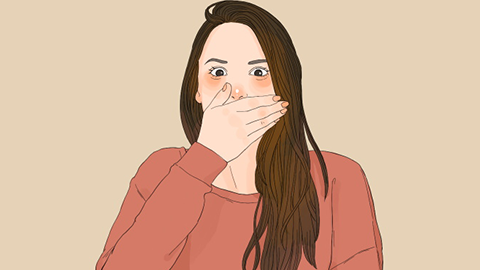
During an anxiety attack, the body enters a state of stress, activating the sympathetic nervous system. This may suppress salivary gland secretion, reducing saliva in the mouth and leading to a sensation of dryness. This condition is often accompanied by other anxiety symptoms such as increased heart rate, rapid breathing, and restlessness. Once the anxiety subsides, the dry mouth usually improves or resolves completely, without persisting or causing other physical discomfort.
If dry mouth lasts for a prolonged period or is accompanied by symptoms such as difficulty swallowing, abnormal oral mucosa, excessive thirst, or frequent urination, it may be related to physical conditions (such as diabetes or Sjögren's syndrome), certain medications (such as some anti-anxiety drugs or antihypertensives), or insufficient fluid intake. In these cases, the symptom is not directly linked to anxiety disorder. Medical evaluation is necessary to identify the underlying cause and prevent delayed diagnosis of other diseases due to attributing symptoms solely to anxiety.
If dry mouth occurs frequently along with anxiety, it is advisable to first consult a doctor to rule out physical causes. If the symptom is confirmed to be related to anxiety, symptom management under medical guidance—such as emotional regulation and increased fluid intake—can be effective.