


Is mental exhaustion a mental illness?
Nov 17, 2025
Source: Cainiu Health

Dr. Zhang Baohua
Introduction
In general, mental exhaustion is not a psychiatric disorder in the strict sense. Whether it should be associated with mental illness depends on specific symptoms and their severity. If you are experiencing related difficulties, it is advisable to seek professional psychological help promptly. When facing dilemmas, try writing down a list of pros and cons to avoid overthinking, and set a clear signal to "stop mental exhaustion" in order to minimize further emotional drain. Set aside a fixed time each day to engage in activities you enjoy.
Generally speaking, mental exhaustion is not considered a psychiatric disorder in the strict sense. Whether it should be associated with mental illness depends on specific symptoms and their severity. If you are experiencing related difficulties, it is advisable to seek professional psychological help promptly. The detailed analysis is as follows:
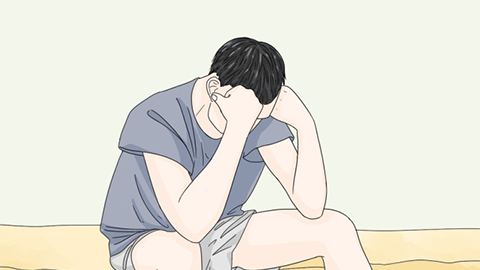
If mental exhaustion is accompanied by perceptual or cognitive abnormalities such as hallucinations or delusions, or if behavioral disturbances, extreme emotional dysregulation, severe disconnection from reality, and inability to function normally occur, it may be associated with a psychiatric condition. These symptoms often progressively worsen, self-regulation becomes entirely ineffective, and professional intervention is required for relief—indicating that the situation has gone beyond the scope of common psychological distress.
However, if mental exhaustion only manifests as repetitive overthinking and self-doubt, without any abnormalities in perception, and the individual can still maintain basic work performance and social functioning—albeit feeling mentally fatigued and inefficient—it should not be classified as a psychiatric disorder. This condition is typically triggered by stress, perfectionism, or similar factors, and can be improved through self-regulation or psychological counseling. It falls within the range of common fluctuations in psychological states.
When facing indecisiveness, write down a list of pros and cons to avoid unproductive rumination, and establish a clear signal to "stop mental exhaustion" in order to minimize further harm. Set aside a fixed time each day for enjoyable activities, replacing repetitive negative thoughts with concrete actions. Share your feelings with someone you trust to reduce emotional buildup. Engage in regular physical exercise to relieve stress, ensure sufficient sleep, and avoid staying up late, which could exacerbate mental fatigue. Gradually cultivate a more positive thinking pattern.



