


What is obesity anxiety disorder?

Obesity anxiety disorder is a psychological condition related to body weight perception, characterized primarily by excessive concern about weight,明显 cognitive distortions, accompanying emotional disturbances, behavioral dysregulation, and impaired social functioning. A detailed analysis is as follows:
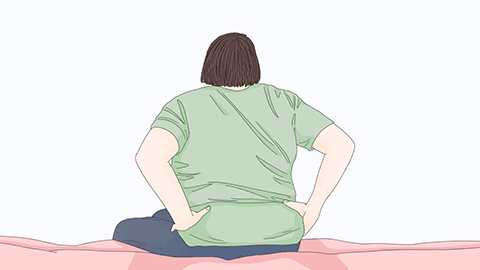
This condition is not merely about being concerned with weight; rather, it involves extreme anxiety regarding one's body shape and weight. Even when individuals have normal weight or are slightly overweight, they persistently experience distress and consistently evaluate their appearance from a negative perspective, making it difficult to objectively perceive their actual physical state.
Patients exhibit significant cognitive distortions, tending to magnify minor changes in weight and equating weight with personal worth. They believe that being overweight signifies failure or unattractiveness, which further intensifies inner unease. Emotionally, they frequently experience anxiety, depression, and low self-esteem. When exposed to conversations about weight or body image, they may become emotionally reactive, showing irritability or avoidance behaviors, and in severe cases, this can compromise emotional stability.
Under prolonged influence of the disorder, patients may avoid social situations, impairing the development of interpersonal relationships and even interfering with work or academic performance, thus creating a vicious cycle affecting both mental health and daily life. Treatment requires cognitive restructuring and psychological counseling to achieve improvement.


