


Is feeling nervous and anxious every time a person goes out a sign of anxiety disorder?

Generally speaking, whether a person's nervousness and anxiety when going out is due to an anxiety disorder depends on specific factors such as the severity and duration of symptoms, accompanying symptoms, and the extent of impact on daily life. If experiencing such issues, it is advisable to seek medical help promptly. The detailed analysis is as follows:
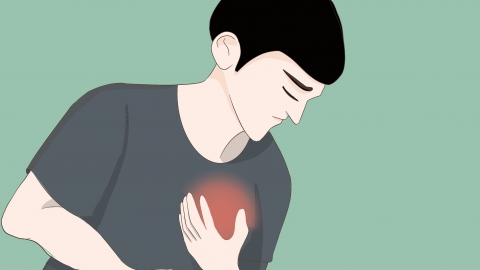
If the nervousness and palpitations last for a long time, are accompanied by symptoms such as chest tightness, sweating, and fear, and significantly affect travel and social activities, it may indicate an anxiety disorder. This condition often manifests as restlessness at the mere thought of going out, feeling uneasy or unable to sit still once outside, and even developing avoidance behaviors that prevent normal daily activities like shopping or commuting. Symptoms tend to recur and are difficult to relieve through self-regulation.
If brief episodes of nervousness and palpitations occur only in specific situations—such as going alone to unfamiliar places—and the symptoms are mild, can be self-soothed quickly, and do not interfere with basic daily functioning, then it does not constitute an anxiety disorder. Such cases are usually related to unfamiliar environments or a lack of sense of security; discomfort typically diminishes as one becomes accustomed to the environment, and no significant abnormalities arise when traveling alone to familiar locations.
To manage this, start by attempting short trips along familiar routes and provide yourself with positive reinforcement after each successful outing. Plan ahead before leaving home to reduce uncertainty-induced anxiety. Carry calming music or comforting personal items to help redirect attention during moments of tension. Family members can accompany the individual and gradually expand the range of travel, maintaining patience throughout the process, avoiding pressure or criticism, and helping build confidence.


