


What are the ways to alleviate separation anxiety disorder?

Methods to alleviate separation anxiety include gradual separation training, establishing secure attachment substitutes, cognitive-behavioral guidance, maintaining a regular and stable daily routine, and strengthening attention diversion. These approaches should be implemented progressively according to individual circumstances. If symptoms persist for more than three months and affect normal functioning, timely medical consultation is recommended.
1. Gradual Separation Training: Begin with short separations and gradually increase the duration and distance of separation—such as starting with 10 minutes and slowly extending to several hours—to allow the mind and body to adapt to being apart, thereby reducing intense anxiety caused by sudden separation.
2. Establishing Secure Attachment Substitutes: Provide familiar comfort items such as stuffed toys or blankets during separation, or use consistent farewell rituals like hugging and waving goodbye. This offers psychological security and helps establish the understanding that "separation is temporary," thus reducing distress.
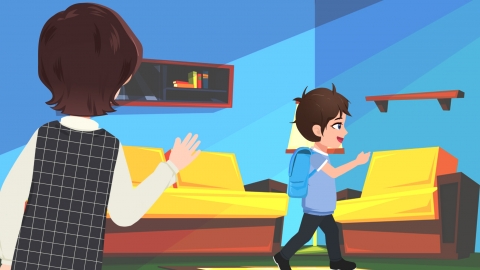
3. Cognitive-Behavioral Guidance: Gently correct negative beliefs such as "separation equals danger" through supportive communication. Use actual experiences to demonstrate safe return after separation, encourage expression of anxious feelings, and provide positive responses to gradually reshape cognitive patterns.
4. Regular and Stable Daily Routine: Maintain consistency in daily activities including meals, sleep, and play. Minimizing unpredictable changes reduces uncertainty, and a stable routine enhances a sense of psychological control, thereby decreasing anxiety responses during separation.
5. Strengthening Attention Diversion: During separation, guide the individual toward engaging activities such as drawing, games, reading, or social interaction. Redirecting focus from the source of separation anxiety to positive experiences can help alleviate immediate discomfort.
In daily life, offer consistent companionship and emotional support, avoiding overprotection or criticism. Maintain calm emotions during both separation and reunion to avoid reinforcing anxious behaviors. Gradually foster independence, enabling individuals to build confidence in coping with separation within a safe and supportive environment.


