


What is the difference between autism and autistic disorder?

Autism and autistic disorder essentially refer to the same neurodevelopmental condition, sharing identical core characteristics, with only subtle differences in term origin, emphasis, and usage context. A detailed analysis is as follows:
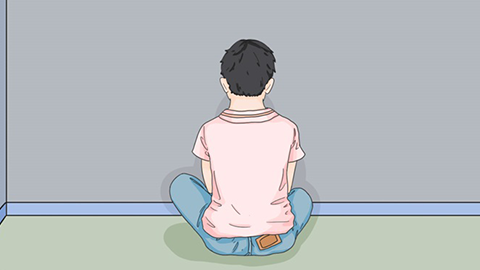
Both terms point to the same core condition—characterized primarily by impairments in social communication, restricted interests, and repetitive behaviors. The diagnostic criteria, underlying pathogenesis, and intervention approaches are entirely consistent, with no essential pathological distinction between them. The difference lies in the term origin and usage context. "Loneliness disorder" (literally translated as "孤独症") is the standardized translation aligned with internationally recognized diagnostic terminology; the two terms differ slightly in emphasis. "Loneliness disorder" highlights the individual's sense of isolation in social interactions, stressing the lack of social connection, whereas "autistic disorder" (自闭症) directly reflects the behavioral trait of self-isolation, making it easier for the general public to grasp the core manifestations of the condition.
Regardless of which term is used, the central focus should remain on addressing the unique needs of affected individuals. Society should eliminate misconceptions, and through professional rehabilitation training, family support, and social inclusion, help this population better integrate into daily life.


