


What are the symptoms of depression?
Nov 17, 2025
Source: Cainiu Health

Dr. Zhang Baohua
Introduction
Depression generally refers to major depressive disorder. Symptoms of depression include persistent low mood, reduced or lost interest, slowed thinking, sleep disturbances, and physical discomfort. If these symptoms last for more than two weeks and affect normal daily functioning, timely attention and intervention are needed. If the aforementioned symptoms appear and cannot be relieved independently, it is recommended to seek medical evaluation promptly. The core symptom is a marked and persistent feeling of sadness.
Chronic depressive disorder generally refers to depression. Symptoms of depression include persistent low mood, loss or reduction of interest, slowed thinking, sleep disturbances, and physical discomfort. If these symptoms persist for more than two weeks and affect normal daily functioning, timely attention and intervention are necessary. If the above symptoms appear and cannot be relieved independently, it is recommended to seek medical evaluation promptly.
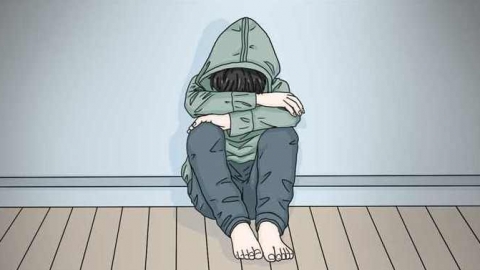
1. Persistent low mood: The core feature is a marked and prolonged feeling of sadness, pessimism, and hopelessness about the future. Individuals may cry easily, become irritable, or experience unexplained restlessness. Mood fluctuations are limited and difficult to improve through self-regulation.
2. Loss or reduction of interest: There is a diminished interest in activities once enjoyed, with reluctance to participate in social, work, or recreational activities. Patients may withdraw from family and friends, strongly preferring solitude. Even if they force themselves to participate, they derive no pleasure, leading to a lack of motivation in life.
3. Slowed thinking: Mental processing slows down, making associations difficult. Attention becomes impaired, memory declines, speech becomes slow and sparse, thinking feels effortful, and decision-making ability is significantly reduced.
4. Sleep disturbances: Insomnia is common, including difficulty falling asleep, early morning awakening with inability to fall back asleep, or excessive sleeping and non-restorative sleep. Sleep problems can further worsen depressed mood, creating a vicious cycle.
5. Physical discomfort: Accompanied by various somatic symptoms without organic disease, such as fatigue, headaches, dizziness, decreased appetite or binge eating, significant weight changes, palpitations, chest tightness, and gastrointestinal discomfort.
Provide patients with sufficient companionship and attentive listening. Avoid lecturing or blaming. Encourage moderate participation in gentle outdoor activities, help establish regular daily routines, offer light and easily digestible meals, and guide them gradually toward rebuilding confidence in life.




