


What are the differences between bipolar disorder and normal individuals?
Nov 17, 2025
Source: Cainiu Health

Dr. Zhang Baohua
Introduction
The differences between individuals with bipolar disorder and those without the condition can generally be observed in aspects such as the range of emotional fluctuations, variations in energy levels, and the degree of impulsive behavior. Normal individuals typically experience mild emotional changes that fluctuate moderately in response to events and can self-regulate effectively. In contrast, individuals with bipolar disorder experience extreme mood swings—such as intense excitement and irritability during manic episodes and severe low mood during depressive episodes—with sudden and difficult-to-control transitions between these emotional states.
Generally, the differences between individuals with bipolar disorder and those without can be observed in aspects such as the range of emotional fluctuations, energy levels, degree of impulsive behavior, changes in sleep needs, and stability of social functioning. The specific analysis is as follows:
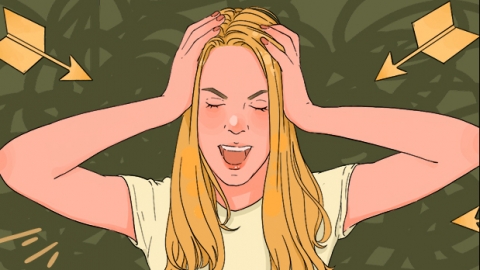
1. Range of emotional fluctuations: Emotions in healthy individuals typically fluctuate mildly and change moderately in response to events, with the ability to self-regulate. In contrast, individuals with bipolar disorder experience extreme mood swings—exhibiting intense excitement or irritability during manic episodes and severe low mood or hopelessness during depressive episodes. These mood shifts occur suddenly and are difficult to control.
2. Differences in energy levels: Healthy individuals maintain stable energy levels that are reasonably distributed according to rest and activity. During manic episodes, patients experience abnormally high energy, remaining active and alert even after prolonged periods without rest. During depressive episodes, however, their energy is severely depleted, making even simple daily tasks difficult to complete. This results in a polarized pattern of energy states.
3. Degree of impulsive behavior: Most people act based on rational thinking and consider potential consequences. During manic episodes, patients may engage in impulsive behaviors such as unplanned spending, reckless driving, or hasty decision-making without regard for risks. During depressive episodes, they may become sluggish in movement and behavior, and in some cases, exhibit tendencies toward self-harm.
4. Changes in sleep requirements: Healthy individuals generally have regular and relatively stable sleep patterns. During manic episodes, patients often require significantly less sleep—sometimes only 2–3 hours per night—without feeling tired. During depressive episodes, their sleep becomes disrupted, manifesting as insomnia or excessive sleeping. These sleep disturbances clearly differ from normal patterns.
5. Stability of social functioning: Neurotypical individuals interact socially in a natural way and can adjust their behavior according to context. During manic episodes, patients may become overly social, talk excessively, or intrude on others’ conversations. During depressive episodes, they tend to withdraw from social interactions and avoid communication altogether. As a result, their social functioning fluctuates dramatically with mood cycles.
If you or someone else shows these distinct differences persistently and they significantly affect daily life, it is important to seek timely evaluation from a psychiatric professional. Bipolar disorder requires proper medical treatment to manage symptoms effectively, and early intervention helps prevent relapse or worsening of the condition.



