


What are the symptoms of somatization disorder?
Nov 17, 2025
Source: Cainiu Health

Dr. Zhang Baohua
Introduction
Symptoms of somatization disorder include gastrointestinal discomfort, cardiovascular and respiratory symptoms, musculoskeletal pain, abnormal skin sensations, and genitourinary symptoms. These symptoms are varied and recurrent, yet lack identifiable organic pathology, significantly impairing quality of life. If physical discomfort persists for more than six months and repeated medical consultations fail to yield a clear diagnosis, prompt medical evaluation is recommended.
Symptoms of somatization disorder include gastrointestinal discomfort, cardiovascular and respiratory symptoms, musculoskeletal pain, abnormal skin sensations, and genitourinary symptoms. These symptoms are varied and recurrent, with no identifiable organic cause, significantly affecting quality of life. If physical discomfort persists for more than six months and repeated medical consultations fail to yield a clear diagnosis, timely medical evaluation is recommended.
1. Gastrointestinal discomfort: Common symptoms include nausea, vomiting, abdominal pain, bloating, diarrhea, constipation, or loss of appetite. These symptoms are closely related to emotional fluctuations and may worsen or improve after eating. Repeated examinations reveal no evidence of gastrointestinal disease.
2. Cardiovascular and respiratory symptoms: Manifest as palpitations, chest tightness, chest pain, shortness of breath, or difficulty breathing. Symptoms resemble those of a heart attack, but tests such as electrocardiogram (ECG) and echocardiography show no abnormalities. Symptoms become more pronounced when excessive attention is paid to them.
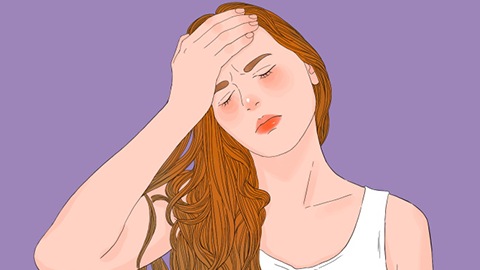
3. Musculoskeletal pain: Often presents as diffuse body-wide pain, such as neck, shoulder, lower back, or joint pain, and muscle aches. The location and intensity of pain vary and are not fixed; symptoms are difficult to relieve through rest, and there is no evidence of trauma or inflammation.
4. Abnormal skin sensations: Include itching, burning, stabbing, numbness, or the sensation of insects crawling on the skin. Some individuals repeatedly report skin abnormalities despite the absence of objective clinical signs. Excessive scratching may lead to skin damage.
5. Genitourinary symptoms: In women, these may include menstrual irregularities, dysmenorrhea, or vulvar discomfort; in men, frequent urination, urgency, discomfort during urination, or sexual dysfunction. Relevant examinations reveal no identifiable genitourinary system disorders.
In daily life, it's important to maintain a regular routine, avoid excessive focus on bodily sensations, engage in mild exercises such as walking or yoga, eat a balanced and nutritious diet, and learn to regulate emotions through activities like listening to music or meditation, thereby reducing preoccupation with symptoms.


