


Is sleep disorder a mental illness?
Nov 17, 2025
Source: Cainiu Health

Dr. Zhang Baohua
Introduction
Sleep disorders encompass various types such as insomnia, hypersomnia, and sleep apnea. The core issues primarily involve abnormalities in sleep quality or rhythm, and most cases are associated with physiological conditions, lifestyle habits, and psychological stress. These can be improved through adjustments in daily routines, psychological counseling, or targeted treatments. They are fundamentally different from psychiatric disorders, which are characterized by abnormalities in thinking, perception, and behavior.
Sleep disorders are generally not classified as mental illnesses. They are mostly independent sleep issues or symptoms associated with other health conditions. If abnormalities occur, timely medical consultation is recommended. The details are as follows:
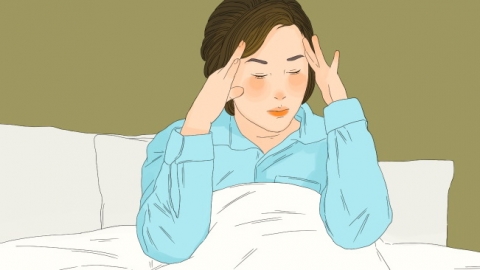
Sleep disorders include various types such as insomnia, hypersomnia, and sleep apnea. The core problems mainly involve abnormal sleep quality or circadian rhythm. Most cases are related to physiological conditions, lifestyle habits, or psychological stress. These can often be improved through adjustments in daily routines, psychological counseling, or targeted treatments. This fundamentally distinguishes them from psychiatric disorders, which primarily involve abnormalities in thinking, perception, and behavior.
Some psychiatric conditions may be accompanied by sleep disorders; for example, depression often leads to insomnia, and schizophrenia may present with disrupted sleep patterns. However, this does not mean that sleep disorders themselves are psychiatric illnesses. Conversely, long-term and severe sleep disorders may exacerbate emotional issues such as anxiety and depression. Professional evaluation is necessary to distinguish causality and prevent misjudgment.
If a sleep disorder persists for more than one month, or is accompanied by symptoms such as low mood or disordered thinking, prompt consultation with a sleep medicine specialist or a psychiatrist is advised. Accurate diagnosis of the underlying cause enables appropriate treatment and helps prevent complications due to delayed intervention.


