


What are the manifestations and symptoms of separation anxiety disorder in adults?
Nov 17, 2025
Source: Cainiu Health

Dr. Zhang Baohua
Introduction
Adult separation anxiety disorder is characterized by a fear of separation from close attachment figures, with main symptoms including anxiety before separation, panic during separation, excessive worry about potential risks, marked behavioral dependence, and emotional somatization. Adult separation anxiety disorder is often associated with a lack of security; therefore, establishing stable emotional connections and gradually fostering independence are essential.
Adult separation anxiety disorder is characterized by a fear of separation from close attachment figures, with main symptoms manifesting in pre-separation anxiety, panic during separation, excessive worry about risks,明显的 behavioral dependence, and emotional somatization. A detailed analysis is as follows:
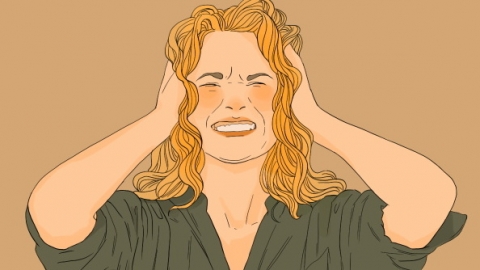
1. Pre-separation anxiety: Before an impending separation from a loved one, individuals may experience persistent tension, repeatedly confirming the timing and expected return date of the separation. Some may become restless and unable to concentrate days in advance, significantly interfering with daily work and life.
2. Panic during separation: At the moment of separation or shortly afterward, intense panic may suddenly occur, presenting as rapid heartbeat, shortness of breath, cold hands and feet. Some individuals may cry, cling tightly to the other person, or exhibit other loss-of-control behaviors, making it difficult to calmly accept the reality of separation.
3. Excessive worry about risks: During separation, individuals continuously fear that their loved one might encounter accidents such as traffic injuries or illness. Even when reassured of the other's safety, anxiety persists. This may lead to repeatedly calling the person to confirm their well-being, forming compulsive behaviors.
4. Obvious behavioral dependence: There is severe daily reliance on the attachment figure. Major decisions require the other’s input or control. Individuals may avoid going out alone, living independently, or participating in social events and work arrangements that could lead to separation, resulting in reduced personal autonomy.
5. Emotional somatization: Prolonged anxiety may trigger physical discomforts, such as frequent headaches, stomachaches, and insomnia during separation periods. These symptoms typically subside quickly upon reuniting with the loved one, and medical examinations reveal no clear organic causes.
Adult separation anxiety disorder is often associated with a lack of security. Establishing stable emotional connections, gradually cultivating independence, and incorporating relaxation techniques to regulate emotions can effectively reduce separation-related anxiety and help restore normal daily functioning.


