


What are the symptoms of somatized anxiety disorder?

Physical symptoms of somatic anxiety disorder include discomfort in the digestive system, cardiovascular abnormalities, respiratory symptoms, musculoskeletal discomfort, and neurological symptoms. These symptoms are recurrent and lack evidence of organic pathology, closely related to psychological anxiety. If persistent physical discomfort occurs without a clear medical cause upon examination, timely medical consultation is recommended.
1. Digestive system discomfort: Common symptoms include nausea, vomiting, bloating, diarrhea or constipation, as well as loss of appetite, acid reflux, and heartburn. Symptoms often occur or worsen during heightened anxiety and may not significantly improve after eating.
2. Cardiovascular abnormalities: Manifested as palpitations, rapid heartbeat, chest tightness, and chest pain. Some patients may feel their heart is beating too fast or irregularly, resembling cardiac disease; however, tests such as electrocardiogram (ECG) show no abnormalities.
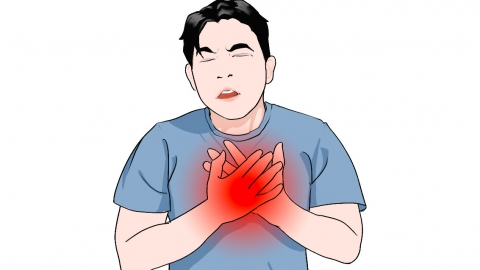
3. Respiratory symptoms: Include chest tightness, shortness of breath, and difficulty breathing. Patients often feel there is insufficient air, needing frequent deep breaths or sighing. In severe cases, this may be accompanied by a sensation of suffocation, affecting normal daily activities.
4. Musculoskeletal discomfort: Characterized by generalized muscle tension and soreness, particularly noticeable in the shoulders, neck, lower back, and back. Muscle tremors or twitching may also occur. Pressing on painful areas or resting provides little relief.
5. Neurological symptoms: Include dizziness, headache, and vertigo, as well as difficulty concentrating, memory decline, insomnia, and vivid dreams. Some patients may experience abnormal sensations such as numbness or tingling in the hands and feet.
Maintain a regular sleep schedule and avoid staying up late. Practice emotional regulation through meditation and deep breathing exercises. Engage in moderate, gentle physical activities such as walking or yoga. Eat a light diet and reduce intake of stimulating foods. Communicate regularly with others to help relieve stress.


