


What are the signs of depression in a 15-year-old?
Nov 17, 2025
Source: Cainiu Health

Dr. Zhang Baohua
Introduction
Depression generally refers to major depressive disorder. Symptoms of depression in a 15-year-old may include persistently low mood, declining academic performance, social withdrawal and isolation, sleep and appetite disturbances, and frequent physical discomfort. Careful observation should be conducted in consideration of the characteristics of adolescent development. If symptoms persist for more than two weeks and interfere with normal daily functioning, prompt medical evaluation is recommended.
Depression generally refers to major depressive disorder. Symptoms of depression in a 15-year-old may include persistent low mood, declining academic performance, social withdrawal and isolation, sleep and appetite disturbances, and frequent physical discomfort. These signs should be carefully observed in light of the unique developmental characteristics of adolescents. If symptoms persist for more than two weeks and interfere with daily functioning, prompt medical evaluation is recommended.
1. Persistent low mood: This may manifest as unexplained irritability or anger, prolonged sadness, sighing frequently, loss of interest in previously enjoyed activities, and a lack of the vitality and joy typically seen in teenagers.
2. Decline in academic performance: Difficulty concentrating, reduced memory, and markedly decreased learning efficiency may lead to a sharp drop in grades. The adolescent may also develop aversion to school, skip classes, or show strong resistance toward academic responsibilities.
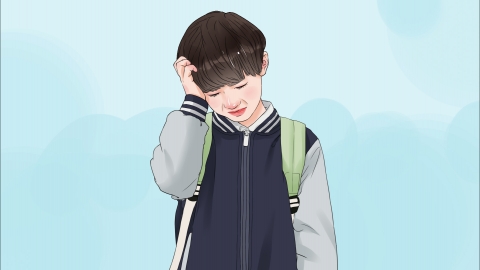
3. Social withdrawal and isolation: The child may avoid communication with classmates and family members, actively distance themselves from friends, withdraw from group activities, prefer being alone, and even refuse to leave home, leading to increasingly distant and cold interpersonal relationships.
4. Sleep and eating disturbances: Sleep issues may include insomnia, difficulty falling asleep, early morning awakening, or excessive sleeping. Eating patterns may shift dramatically—either binge eating or loss of appetite—leading to significant weight gain or loss that deviates from normal growth and development patterns.
5. Frequent physical complaints: The adolescent may frequently report headaches, stomachaches, fatigue, or other physical symptoms, yet medical examinations reveal no clear organic cause. These are often physical manifestations of underlying depressive emotions.
Pay close attention to your child's emotional changes, patiently listen to their inner thoughts, and avoid blame or criticism. Encourage participation in moderate physical activities and hobbies to help redirect focus. Create a warm, supportive family environment to help reduce the child’s psychological stress.




