What causes frequent twitching of the right upper eyelid?
Nov 17, 2025
Source: Cainiu Health

Dr. Wang Shuai
Introduction
In general, frequent twitching of the right eyelid may be caused by eye strain, stress, eyelid spasms, conjunctivitis, or facial muscle spasms. It is recommended to seek medical attention promptly, identify the underlying cause, and receive appropriate treatment under a doctor's guidance. In daily diet, increase intake of foods rich in B vitamins, such as whole grains and nuts. Avoid excessive consumption of stimulating beverages like coffee and strong tea.
Under normal circumstances, frequent twitching of the right eyelid may be caused by eye strain, mental stress, eyelid spasms, conjunctivitis, or facial muscle spasms. It is recommended to seek medical attention promptly to determine the underlying cause and receive appropriate treatment under a doctor's guidance. Specific causes are analyzed as follows:
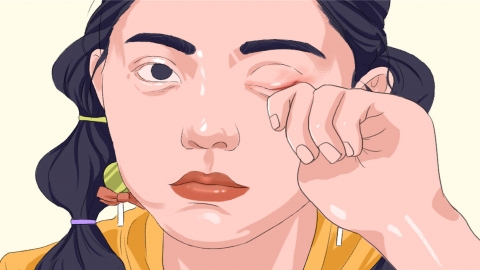
1. Eye strain: Prolonged use of electronic devices or staying up late can lead to fatigue in the ocular nerves and muscles, causing involuntary twitching of the right eyelid. To relieve this, take a 5-minute break every 30 minutes of screen time to look into the distance, ensure 7–8 hours of sleep per night, and apply a warm towel compress over the eyes for 10 minutes before bedtime to reduce eye fatigue.
2. Mental stress: Long-term pressure or emotional anxiety can overstimulate the sympathetic nervous system, leading to abnormal electrical activity in the eye nerves and resulting in eyelid twitching. Engage in regular physical exercise, meditation, or other stress-relieving activities daily, maintain emotional stability, and avoid excessive thinking that may trigger nerve tension.
3. Eyelid spasm: Poor eye habits or environmental irritants may cause involuntary contractions of the eyelid muscles, manifesting as frequent twitching of the right eyelid. Reduce screen time and, under medical supervision, take medications such as mecobalamin tablets, vitamin B1 tablets, or oryzanol tablets to nourish the nerves and alleviate spasms.
4. Conjunctivitis: Inflammation of the conjunctiva due to bacterial or viral infection can irritate the ocular nerves, leading to eyelid twitching along with symptoms like redness and increased eye discharge. Follow your doctor’s instructions to use antibiotic or antiviral eye drops such as tobramycin eye drops, levofloxacin eye drops, or acyclovir eye drops, and avoid rubbing your eyes with your hands.
5. Facial muscle spasm: Compression or irritation of the facial nerve by blood vessels can cause involuntary twitching of facial muscles, including the right eyelid. The twitching may gradually worsen and spread. Under medical guidance, medications such as carbamazepine, oxcarbazepine, or phenytoin sodium may be used to control symptoms. In some cases, microvascular decompression surgery may be necessary to relieve vascular compression on the facial nerve.
In daily life, increase intake of foods rich in B-complex vitamins, such as whole grains and nuts. Avoid excessive consumption of stimulants like coffee and strong tea, minimize eye irritants, and adopt comprehensive eye care practices to improve eyelid twitching.