


What causes a dark shadow in the corner of the eye?

Under normal circumstances, black spots in the corner of the eye may be caused by physiological floaters, eye strain, vitreous opacities, retinal holes, or uveitis. It is recommended to seek timely medical attention to determine the underlying cause and receive appropriate treatment under a doctor's guidance. Specific causes are analyzed as follows:
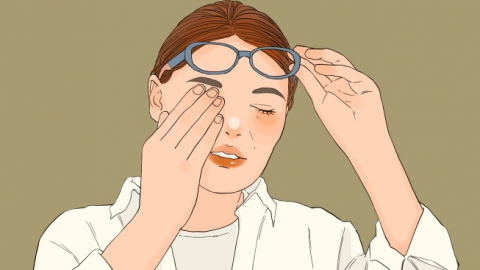
1. Physiological floaters: With aging, the vitreous humor undergoes mild degeneration, leading to a small amount of floccular opacities that cast shadows on the retina, particularly noticeable under bright light. This is a normal physiological phenomenon that does not require special treatment. Avoid prolonged exposure to intense light and have regular fundus examinations.
2. Eye strain: Prolonged熬夜 or extended screen time can cause eye fatigue, resulting in temporary metabolic disturbances in the vitreous and transient black spots. Ensure 7–8 hours of sleep per day, take a 5-minute break to look into the distance every 30 minutes of screen use, and use artificial tears to lubricate the ocular surface and relieve fatigue.
3. Vitreous opacities: Degenerative changes or inflammation in the vitreous lead to increased cloudiness, with more black spots that move as the eyes move. Follow medical advice to use medications such as choline alfoscerate iodine tablets, amiodarone peptide eye drops, and lutein soft capsules to promote absorption of the opacities.
4. Retinal hole: Traction from the vitreous on the retina creates a tear or hole. Early symptoms include fixed dark spots or flashes of light, which may lead to retinal detachment. Immediate medical attention is required; retinal laser photocoagulation should be performed to seal the hole and prevent progression that could threaten vision.
p>5. Uveitis: Inflammation of the uvea due to immune abnormalities or infection leads to inflammatory exudates that block light, causing dark spots, along with redness and pain in the eye. Follow medical advice to use prednisolone eye drops, cyclosporine eye drops, pranoprofen eye drops, and other medications to control the inflammatory response.In daily life, avoid strenuous exercise and eye trauma to prevent further vitreous traction on the retina. Consume foods rich in vitamin C and lutein, such as oranges and spinach, quit smoking, limit alcohol intake, and reduce the risk of damage to ocular tissues.


