


Is mannitol a crystal or a colloid?

Mannitol is a crystalloid solution. Chemically, it is a monosaccharide derivative with a small molecular weight that dissolves completely in water. It does not form colloidal particles in the bloodstream and can be rapidly filtered through the glomerulus, meeting the core characteristics of crystalloid solutions. If severe dehydration, electrolyte disturbances, or allergic reactions occur during use, medical attention should be sought promptly.
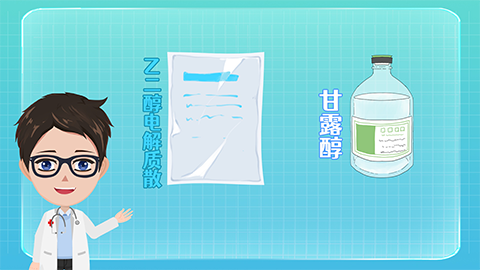
From the perspective of solution classification criteria, the key feature of crystalloid solutions is that the solute consists of small molecules capable of freely passing through semipermeable membranes. Mannitol has a molecular weight of only 182.17, far below the threshold for macromolecules typical of colloid solutions. After dissolution, it forms a solution without colloidal osmotic pressure, generating only crystalloid osmotic pressure—this is the fundamental basis for its classification as a crystalloid.
In clinical practice, due to its crystalloid properties, mannitol is widely used for dehydration and reducing intracranial pressure, as well as alleviating tissue edema. Its rapid osmotic effect promotes the movement of fluid from the interstitial space into the vasculature, which is then excreted via the kidneys. Compared with colloid solutions, mannitol acts more quickly but has a shorter duration of effect, necessitating adjustment of administration frequency based on the patient's condition.
When administering mannitol, infusion rate must be strictly controlled to avoid a sudden increase in blood volume caused by overly rapid infusion. Urine output and electrolyte levels should be monitored during infusion, and adequate hydration should be maintained. An appropriate venous access route should be selected to prevent tissue damage from drug extravasation, ensuring safe and effective medication use.


