


What causes photophobia (light sensitivity) in the eyes?

Under normal circumstances, photophobia (light sensitivity) in the eyes may be caused by strong light exposure, eye strain, conjunctivitis, keratitis, uveitis, or other conditions. It is recommended to seek medical attention promptly, identify the underlying cause, and receive appropriate treatment under a doctor's guidance. Specific analyses are as follows:
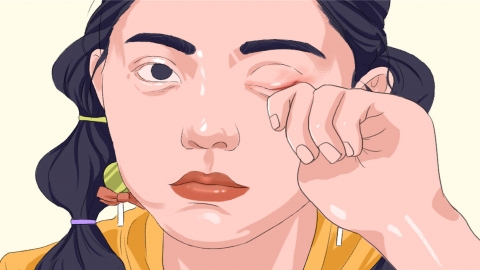
1. Strong light stimulation: When the eyes are suddenly exposed to bright sunlight or intense light, the pupils cannot constrict quickly enough, allowing excessive light to enter the eye and causing photophobia. Wear UV-protective sunglasses when going outdoors, slightly squint or shield your eyes in bright environments, and reduce direct light exposure.
2. Eye strain: Prolonged use of electronic devices or staying up late can lead to tension in ocular nerves and muscles, increasing corneal sensitivity and resulting in photophobia. Ensure 7–8 hours of sleep per day, look into the distance for relaxation every 20 minutes during screen use, and apply a warm towel compress to the eyes for 10 minutes before bedtime.
3. Conjunctivitis: Inflammation of the conjunctiva caused by bacterial or viral infection leads to conjunctival congestion and swelling, making the eyes more sensitive to light, often accompanied by increased discharge. Follow medical advice to use medications such as tobramycin eye drops, levofloxacin eye drops, or acyclovir eye drops, and avoid rubbing the eyes with hands.
4. Keratitis: Inflammation occurs when the cornea sustains injury or becomes infected. Damage to the corneal epithelium exposes nerve endings, leading to significant photophobia along with pain. Use medications such as recombinant human epidermal growth factor eye drops, natamycin eye drops, or fluconazole eye drops as directed by a physician. In severe cases, therapeutic contact lenses may be required.
5. Uveitis: Inflammation of the uvea due to immune abnormalities or infection stimulates the iris and ciliary body, causing symptoms such as photophobia, eye pain, and vision loss. Follow medical recommendations to use prednisolone eye drops, cyclosporine eye drops, pranoprofen eye drops, etc. In some cases, vitrectomy may be necessary to remove the lesion.
Maintain good eye hygiene in daily life and avoid sharing towels or other personal items with others. Include vitamin A-rich foods in your diet, such as egg yolks and carrots, and undergo regular eye examinations to maintain optimal eye health.


