What to eat after cataract surgery
Nov 17, 2025
Source: Cainiu Health
Dr. Wang Shuai
Introduction
After cataract surgery, it is generally recommended to eat foods rich in vitamin C, vitamin A, protein, dietary fiber, as well as light and easily digestible foods. Examples include fresh oranges, kiwifruit, spinach, and broccoli. Vitamin C participates in oxidation-reduction reactions in the body and helps promote the repair of eye tissues.
After cataract surgery, it is generally recommended to eat foods rich in vitamin C, vitamin A, protein, dietary fiber, and light, easily digestible foods. The details are as follows:
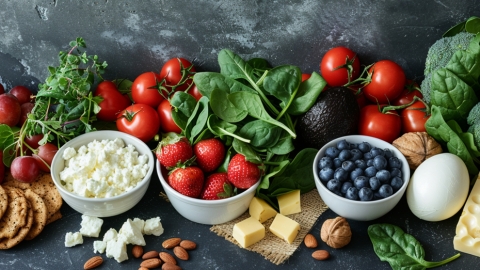
1. Foods rich in vitamin C: such as fresh oranges, kiwifruit, spinach, and broccoli. Vitamin C participates in oxidation-reduction reactions in the body, helps promote repair of ocular tissues, enhances immune resistance, reduces the risk of postoperative infection, and also supports maintaining lens transparency, making it suitable for supplementation after surgery.
2. Foods rich in vitamin A: such as carrots, pumpkin, egg yolks, and animal liver. Vitamin A is an essential component of the light-sensitive substances in the retina. It helps protect the health of the ocular surface mucosa, relieves dry eyes after surgery, promotes recovery of visual function, and helps the body better adapt to changes in vision following surgery.
3. Protein-rich foods: such as lean meat, fish, eggs, and soy products. Protein is a fundamental building block of cells. Adequate protein intake is crucial for postoperative healing of bodily and ocular tissues. Sufficient protein consumption can accelerate wound healing and enhance tissue repair capacity.
4. Foods rich in dietary fiber: such as whole grains, oats, celery, and apples. Physical activity may decrease after surgery, increasing the risk of constipation. Excessive straining during bowel movements can raise intraocular pressure and negatively affect surgical outcomes. Dietary fiber promotes intestinal motility, prevents constipation, and helps maintain stable metabolism.
5. Light and easily digestible foods: such as millet porridge, soft noodles, steamed egg custard, and tofu. Digestive function may be relatively weak after surgery; overly greasy or spicy foods can burden the gastrointestinal system and potentially cause discomfort. Light and easily digestible foods provide necessary nutrition without imposing additional strain on the body.
After surgery, avoid spicy, stimulating, greasy, or hard foods. Smoking and alcohol should also be avoided to minimize adverse effects on eye recovery. If symptoms such as decreased appetite, indigestion, or allergic reactions occur, adjust the diet promptly and consult a doctor or nutritionist for professional advice when necessary.