


How to Prevent Eye Strain and Myopia

To prevent eye strain and myopia, it is generally recommended to maintain an appropriate viewing distance, follow the 20-20-20 rule, ensure sufficient outdoor time, optimize lighting conditions for visual tasks, and regularly perform eye relaxation exercises. A detailed explanation is as follows:
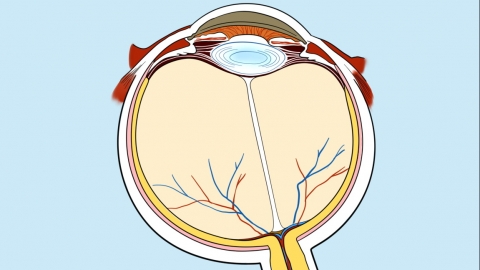
1. Maintain a proper viewing distance: When reading, writing, or using electronic devices, keep your eyes approximately 30–40 cm away from the object. Avoid prolonged close-up work, as excessively short distances can cause sustained ciliary muscle tension, leading to eye strain. Over time, this may elongate the eye's axial length and increase the risk of myopia.
2. Follow the 20-20-20 rule: Every 20 minutes of continuous near work, take a break and look at a fixed object 20 feet (about 6 meters) away for at least 20 seconds. This practice allows the ciliary muscles to relax from their contracted state, alleviates eye muscle fatigue, reduces abnormal visual accommodation caused by prolonged focusing, and helps prevent the development of myopia.
3. Ensure adequate outdoor time: Spend a cumulative total of 1–2 hours outdoors each day, engaging in activities such as walking or gazing into the distance under natural light. Natural sunlight stimulates the retina to release dopamine, a neurotransmitter that helps inhibit abnormal elongation of the eye axis. Additionally, the expansive visual field outdoors helps relax the eyes, reducing both eye strain and the likelihood of developing myopia.
4. Optimize lighting environment: Ensure that lighting is sufficient and soft during reading or studying, avoiding overly bright or dim illumination. Excessively intense light can irritate the ocular surface, while insufficient light forces the eyes to exert extra effort to see clearly. Both conditions contribute to increased eye strain and may lead to myopia over time. Proper lighting reduces ocular stress and visual discomfort.
5. Perform regular eye relaxation exercises: Do eye exercises twice daily, morning and evening, to stimulate blood circulation through acupressure around the eyes. Alternatively, apply a warm towel compress to the eyes for 10 minutes before bedtime to relieve muscle tension. Regular relaxation improves ocular metabolism, reduces eye fatigue, maintains normal accommodative function, and helps prevent myopia.
If symptoms such as persistent dryness, blurred vision, or eye soreness occur in daily life, reduce screen and near-work time immediately and monitor the condition. If symptoms persist, seek evaluation from an ophthalmologist. Additionally, it is advisable to have a vision check-up every six months to one year to monitor changes in vision and enable early detection and intervention.


