


What are the postoperative注意事项 for retinal detachment surgery?

After retinal detachment surgery, important postoperative care measures generally include controlling head movement, avoiding strenuous activities, maintaining eye cleanliness, following medical instructions for medication, and attending regular follow-up appointments. Specific details are as follows:
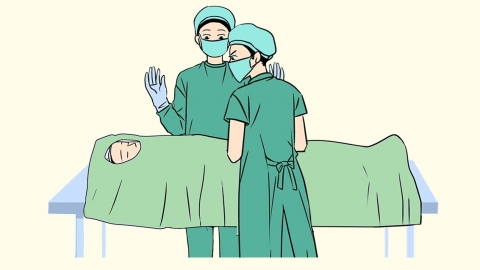
1. Control head movement: Keep your head stable during the early postoperative period. Avoid frequent bending, leaning forward, shaking or suddenly turning your head. When sleeping, adopt the specific position recommended by your doctor (such as face-down positioning) to reduce pressure on the eye, prevent re-detachment of the retina, and promote healing at the surgical site.
2. Avoid strenuous activities: For 1–3 months after surgery, avoid activities that may increase abdominal or intraocular pressure, such as running, jumping, weightlifting, coughing, or straining during bowel movements. Move slowly and gently in daily life to prevent external impact on the eye or displacement of intraocular tamponade agents, which could impair recovery.
3. Maintain eye cleanliness: Avoid rubbing your eyes after surgery. Be careful to keep water and contaminants away from the eye area when washing your face to prevent infection. If there is eye discharge, gently clean it using methods recommended by your doctor, taking care not to damage the surgical wound.
4. Follow medical advice regarding medication: Use medications strictly according to the type and dosage prescribed by your doctor, such as antibiotic eye drops, ointments, or anti-inflammatory drugs. Administer them on time and in the correct amount. Do not adjust the dose or discontinue medication without consulting your doctor. If you experience discomfort after using the medication, inform your doctor promptly to avoid worsening side effects.
5. Attend regular follow-up visits: Follow your doctor's schedule for postoperative checkups, typically one week, one month, and three months after surgery. These visits assess retinal reattachment, visual recovery progress, and overall eye condition, allowing the doctor to adjust the treatment plan based on your recovery status.
If you experience sudden vision loss, severe eye pain, redness, excessive discharge, double vision, or other abnormalities after surgery, seek immediate medical attention—do not delay. Additionally, ensure adequate rest and avoid overusing your eyes to create optimal conditions for eye recovery.


