


What causes lower back pain and eye pain?

Generally, lower back pain accompanied by eye pain may be caused by poor posture, overexertion, cervicobrachial syndrome, hypertension, lumbar disc herniation with visual fatigue, and other reasons. It is recommended to seek medical attention promptly, identify the underlying cause, and receive symptomatic treatment under a doctor's guidance. Specific analysis is as follows:
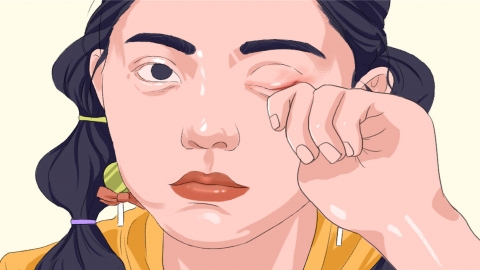
1. Poor posture: Prolonged低头 use of mobile phones or working at a desk can lead to uneven stress on the cervical and lumbar spine, while staring at screens causes eye strain, resulting in lower back and eye pain. Adjust sitting posture to maintain natural curves of the cervical and lumbar spine, keep eyes 30–40 cm from the screen, and take breaks every half hour to stretch the neck, back, and look into the distance.
2. Overexertion: Long-term sleep deprivation and irregular作息 can reduce bodily function, preventing adequate rest for the muscles of the lower back and ocular nerves, leading to pain. Ensure 7–8 hours of sleep per night, avoid staying up late, stop using electronic devices one hour before bedtime, and soak feet in warm water to relieve fatigue.
3. Cervicobrachial syndrome: Tension and stiffness in neck and shoulder muscles may compress nerves, causing referred pain in the lower back and eyes, manifesting as soreness and discomfort. Perform daily "rice-character" neck exercises and back stretches. Follow medical advice to take medications such as ibuprofen sustained-release capsules, eperisone hydrochloride tablets, and mecobalamin tablets, combined with heat therapy to alleviate symptoms.
4. Hypertension: Fluctuations and increases in blood pressure elevate vascular pressure in the head and lower back, causing eye fullness/pain and referred back pain. Monitor blood pressure regularly, follow medical advice when taking medications such as nifedipine sustained-release tablets, valsartan capsules, and amlodipine besylate tablets, and adhere to a low-salt, low-fat diet.
5. Lumbar disc herniation with visual fatigue: Nerve compression due to disc herniation causes lower back pain, which in turn disrupts rest and leads to visual fatigue. Follow medical recommendations for medications such as celecoxib capsules, Yaotongning capsules, and vitamin B1 tablets. In severe cases, minimally invasive procedures like transforaminal endoscopic decompression surgery may be considered. Use artificial tears to relieve eye strain.
In daily life, avoid prolonged sitting or standing. Choose ergonomic office chairs and supportive mattresses to support the neck and lower back. Consume foods rich in calcium and vitamins, such as milk and spinach. Engage in moderate physical activities like walking and yoga to improve resilience of the spine, neck, and eyes.


