


What causes dizziness in the eyes?
Nov 17, 2025
Source: Cainiu Health

Dr. Wang Shuai
Introduction
In general, eye dizziness may be caused by factors such as eye strain, orthostatic hypotension, refractive errors, dry eye syndrome, or Ménière's disease. It is recommended to seek medical attention promptly, identify the underlying cause, and receive symptomatic treatment under a doctor's guidance. Maintain a regular daily routine and avoid staying up late or overexertion. Eat a light and balanced diet, reducing intake of high-salt and high-fat foods.
Under normal circumstances, dizziness or vertigo in the eyes may be caused by factors such as eye strain, orthostatic hypotension, refractive errors, dry eye syndrome, or Ménière’s disease. It is recommended to seek medical attention promptly, identify the underlying cause, and receive appropriate symptomatic treatment under a doctor's guidance. A detailed analysis is as follows:
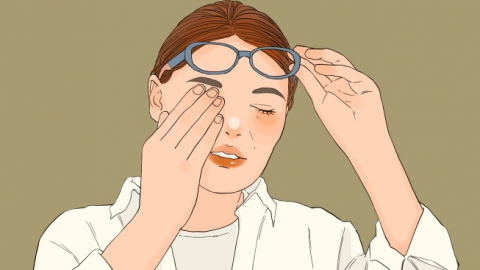
1. Eye strain: Prolonged screen time causes tension in the eye muscles, leading to visual fatigue and dizziness, often accompanied by dryness, soreness, and eye discomfort. Take a 5-minute break every 40 minutes of screen use to look into the distance, adjust screen brightness and viewing distance, and ensure adequate sleep to allow the eyes to rest.
2. Orthostatic hypotension: A sudden drop in blood pressure upon standing rapidly reduces blood flow to the brain, affecting the visual center and causing transient dizziness that typically resolves within seconds. Move slowly when changing positions, maintain proper hydration, and avoid abruptly standing up after prolonged squatting or sitting.
3. Refractive errors: Uncorrected myopia, hyperopia, or astigmatism results in blurred retinal images, which can induce dizziness and double vision. Visit an ophthalmologist for proper refraction testing and corrective lenses—either eyeglasses or contact lenses—and have regular follow-ups to adjust prescriptions as needed.
4. Dry eye syndrome: Insufficient tear production or poor tear quality leads to ocular surface dryness, impairing visual function and potentially triggering dizziness, often with a sensation of foreign body in the eye. Follow medical advice to use artificial tears such as sodium hyaluronate eye drops, polyethylene glycol eye drops, or carboxymethylcellulose sodium eye drops. Use a humidifier indoors to increase air moisture.
5. Ménière’s disease: Fluid buildup in the inner ear disrupts balance and affects the visual system, causing episodes of vertigo accompanied by tinnitus and hearing loss. During acute attacks, take medications as prescribed—such as betahistine mesylate tablets, flunarizine hydrochloride capsules, or hydrochlorothiazide tablets. In remission periods, avoid physical exhaustion and emotional stress.
Maintain a regular daily routine, avoid staying up late and excessive fatigue. Eat a light, balanced diet and reduce intake of high-salt and high-fat foods. Engage moderately in physical activities like walking or yoga to improve overall health and circulation, thereby reducing the likelihood of dizziness episodes.






