


What are the symptoms of visual fatigue?

Common symptoms of eye strain typically include soreness and pain in the eyes, blurred or double vision, dryness and foreign body sensation in the eyes, accompanied by headaches and difficulty concentrating. A detailed analysis is as follows:
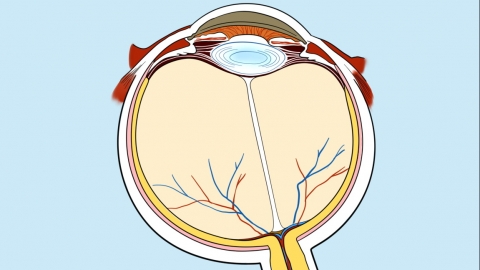
1. Eye soreness and pain: Prolonged muscle tension in the eyes leads to aching sensations around the eyelids and eye sockets. In severe cases, this may cause eyeball pain that radiates to the brow bone or temples. Symptoms significantly worsen after extended periods of visual work and can be temporarily relieved with rest.
2. Blurred or double vision: Visual clarity decreases when viewing objects—for example, text may appear blurry during reading, or a single object may appear doubled. These effects become more pronounced after prolonged screen or book use, impairing normal visual efficiency.
3. Dryness and foreign body sensation: Reduced tear secretion or excessive tear evaporation results in insufficient eye moisture, causing dryness. This may be accompanied by a foreign body sensation, as if small particles have entered the eye. The discomfort often persists despite frequent blinking.
4. Accompanying head discomfort: Severe eye strain is often associated with headaches and dizziness. Headaches usually occur in the forehead or on both temples, while dizziness presents as mild lightheadedness. These symptoms become more noticeable when looking up suddenly or shifting gaze after long periods of focusing.
5. Difficulty concentrating: Persistent eye discomfort interferes with the brain's processing of visual signals, leading to difficulty focusing. This makes it hard to concentrate on tasks such as reading or working, and may be accompanied by temporary memory decline, negatively affecting daily learning and work performance.
If the above symptoms occur frequently, reduce the amount of time spent using your eyes and take breaks every 30 minutes to look into the distance and relax. If symptoms persist, seek an ophthalmologic evaluation to rule out refractive errors, dry eye syndrome, or other conditions, and receive timely treatment to prevent worsening.


