


Why must daylily flowers be dried before eating?

Daylilies must be dried before consumption, primarily because fresh daylilies contain colchicine. Drying removes toxins, extends shelf life, enhances food safety, and improves texture and flavor. Drying is a crucial step in ensuring their safe consumption. If symptoms such as nausea or vomiting occur after accidentally eating untreated fresh daylilies, medical attention should be sought promptly.
1. Contains colchicine: Fresh daylilies contain colchicine, which is not toxic by itself but converts into the toxic compound di-colchicine in the human body. This can irritate the gastrointestinal tract, causing poisoning symptoms such as abdominal pain, diarrhea, and vomiting.
2. Drying removes toxins: Colchicine is water-soluble and heat-sensitive. During the drying process, as moisture is lost, colchicine leaches out with the water. Subsequent soaking and cooking further significantly reduce residual toxin levels.
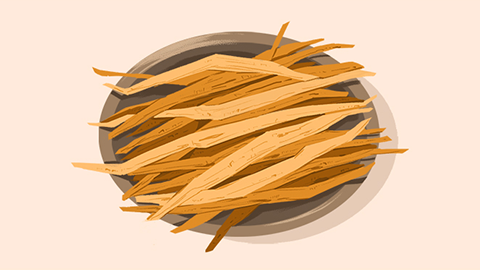
3. Extends storage time: Fresh daylilies have high moisture content, making them prone to bacterial and mold growth, leading to spoilage. Drying reduces moisture, inhibiting microbial proliferation and extending shelf life for long-term use.
4. Enhances food safety: Relying solely on cooking to remove toxins from fresh daylilies requires prolonged high-temperature boiling, and improper handling may still leave residual risks. Cooking dried daylilies further reduces the risk of poisoning, making them safer to eat.
5. Improves taste and texture: Dried daylilies have a firmer texture; when cooked, they become soft, chewy, and flavorful. Their umami components are more concentrated, resulting in richer flavor and a better overall eating experience compared to fresh ones.
Before consuming dried daylilies, soak them in clean water for 2–3 hours, changing the water 2–3 times during soaking. Cook them thoroughly until fully done—avoid serving raw or lightly stir-fried. Do not consume dried daylilies that appear dark in color or have a moldy odor, as these are signs of spoilage.


